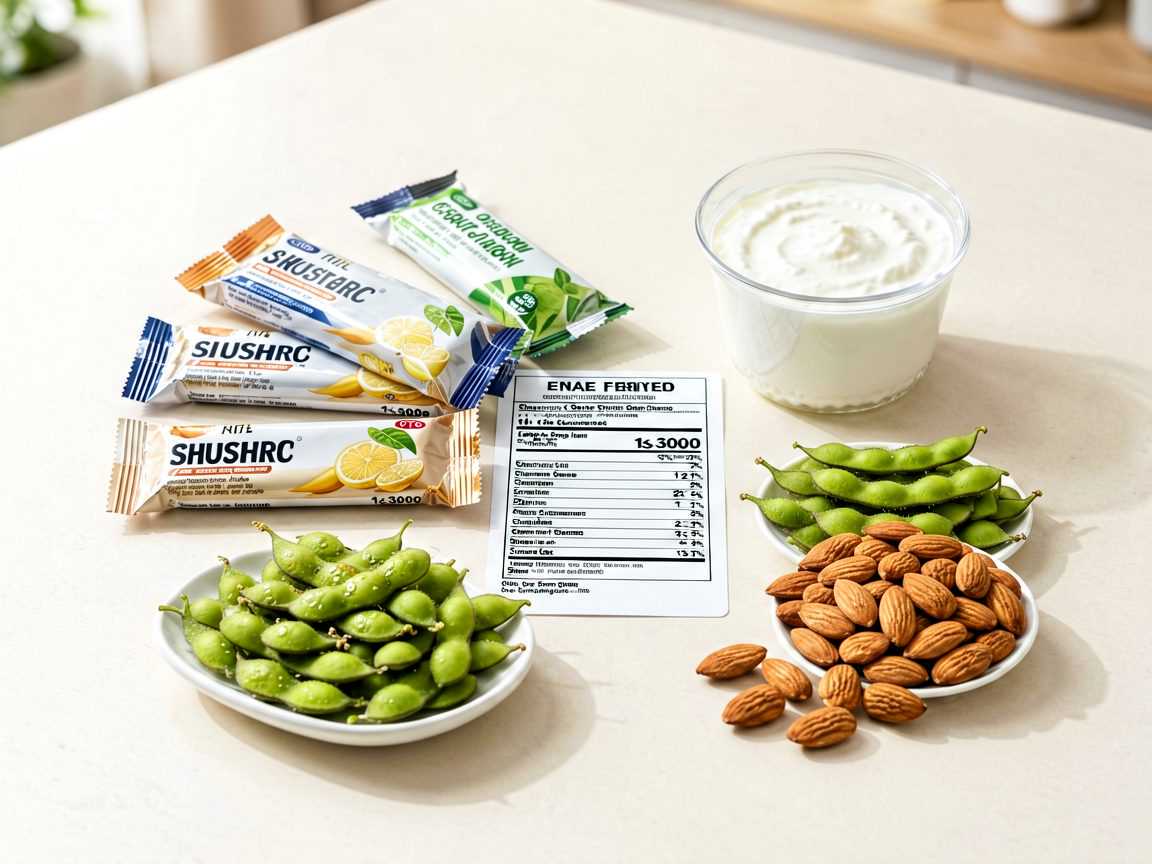
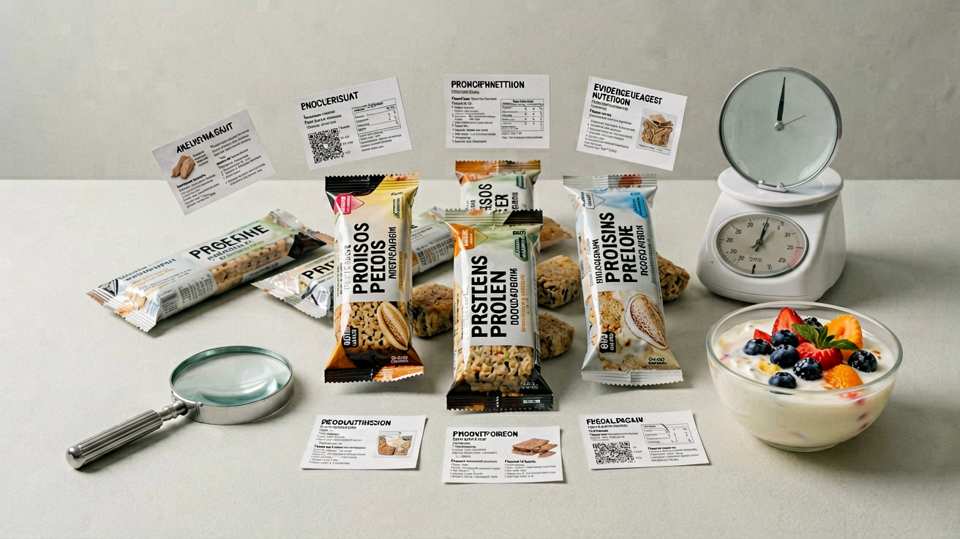
How to compare high-protein frozen meals by protein, fiber, sodium, portion, ingredients, and comfort while using Ozempic.
The best high protein frozen meals for people on Ozempic are not one universal brand or product. A better choice is a meal whose portion, texture, protein source, fiber, sodium, and ingredient list fit your appetite, preferences, budget, and clinician guidance. Compare labels side by side and choose a meal you can eat comfortably; if a full package feels like too much, do not force it. Add a fruit, vegetable, yogurt, or other familiar side only when useful. Product labels change, so use the current package rather than an online ranking. Ozempic-specific medication questions and persistent digestive symptoms belong with your healthcare team.
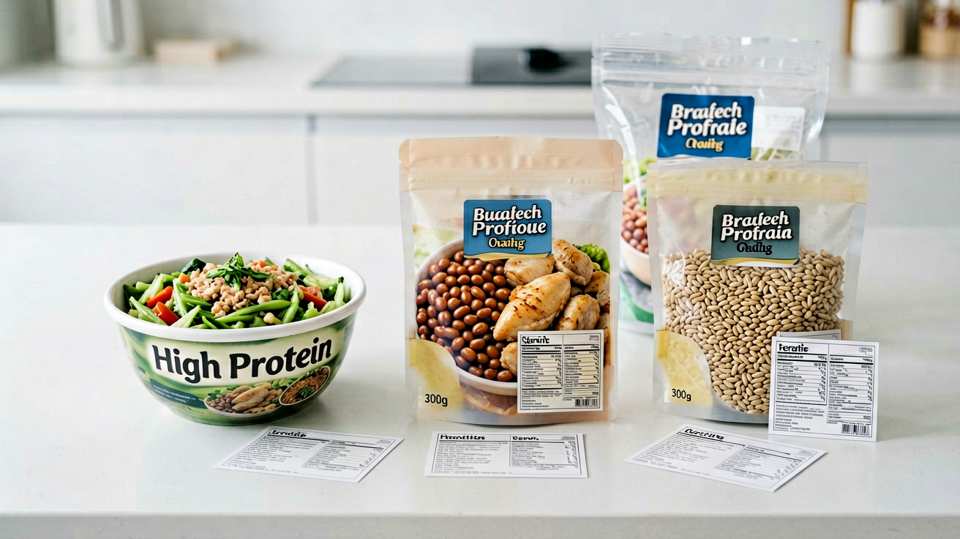
Five label checks
| Check | What to ask |
|---|---|
| Protein | What food provides it, and is the amount useful for this meal? |
| Fiber | Are beans, vegetables, or whole grains present? |
| Sodium | How does the label fit the rest of the day? |
| Texture and volume | Will this portion feel comfortable to eat? |
| Ingredients | Any allergens or ingredients you avoid? |
Use a simple comparison score
Make five columns—protein, fiber, sodium, ingredient fit, and convenience—and rate each product from “works for me” to “not a fit.” Do not convert the score into a medical recommendation. A frozen meal can be a practical bridge on a busy day; it does not need to be perfect.
Explore the Protein & Fiber Lab hub, then use the planning and tracking tools to turn this guide into a repeatable routine. The health disclaimer explains the limits of general information.
Related reading: grocery list for people with pcos on zepbound and meal prep for people in menopause on glp 1.
References and boundaries: For general meal-planning context, see the National Institute on Aging meal-planning guidance. For medicine-specific questions, use FDA medicine information and speak with your clinician or pharmacist.