A practical comparison guide for choosing protein bars while using Wegovy, covering protein, fiber, added sugar, sodium, ingredients, texture, tolerance, and safety boundaries.
The best protein bars for people on Wegovy are not defined by one brand or one number on the front of the wrapper. A useful bar is one you can tolerate, read clearly, carry safely, and fit into an overall food routine. Compare the serving size, protein, fiber, added sugar, saturated fat, sodium, texture, allergens, and ingredients that may cause digestive discomfort. A bar can be a convenient backup when a meal is delayed, but it is not a required part of treatment and it cannot replace medical advice.
Wegovy contains semaglutide, a prescription medicine. Appetite and digestion can change for some people, and individual needs vary with medical history, diabetes care, kidney health, activity, and clinician guidance. This label guide is general nutrition education. It does not recommend a dose, change a prescription, diagnose symptoms, or promise weight loss.
What to look for on a protein-bar label
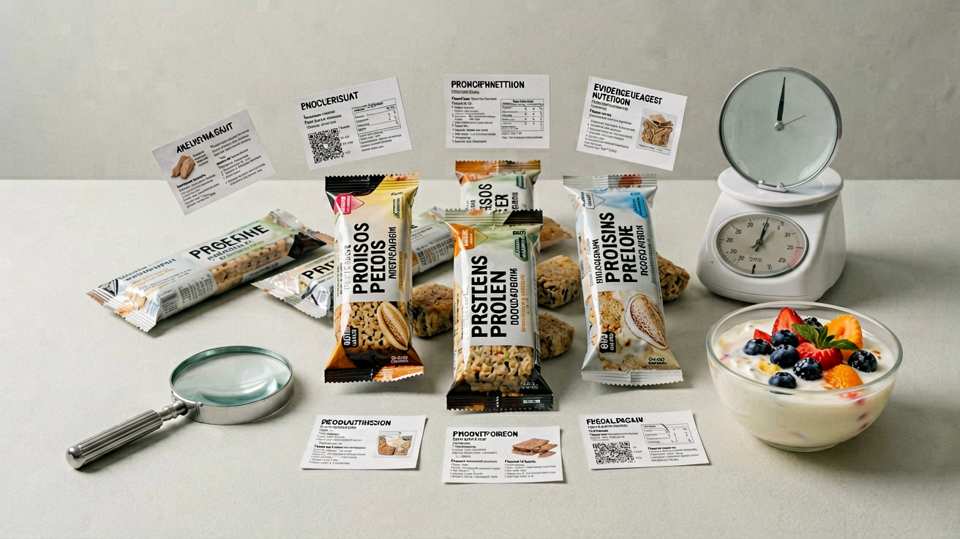
Start with the Nutrition Facts panel rather than the marketing claims. First check the serving size: some packages contain more than one serving, and a “bar” is not always the same as a serving. Then note protein and fiber, followed by added sugars, saturated fat, sodium, and total carbohydrate. Check the ingredient list for allergens, sugar alcohols, inulin, chicory root fiber, and other ingredients you know you do not tolerate.
There is no universal protein or calorie target that is safe for every person using Wegovy. The right choice depends on what else you eat and on professional guidance. Think of a bar as one component. If the bar is low in fiber, pair it with fruit when comfortable. If it is very high in concentrated fiber, a simpler option may feel better. If it is too dry, choose yogurt, tofu, eggs, edamame, or another food instead.
The Product Guides hub offers more comparisons of food formats, labels, convenience, and value. For medication-related questions, ask a prescriber or pharmacist.
A five-part comparison scorecard
- Protein fit: Does the amount make sense for this snack and the rest of the day?
- Fiber fit: Is there some fiber, or is the amount so concentrated that it may be uncomfortable?
- Sweetness: How much added sugar is present, and is the sweetness acceptable without triggering more cravings?
- Digestive fit: Is the bar easy to chew and free of ingredients that have caused problems before?
- Practical fit: Can you afford it, store it, pack it, and eat it when needed?
Score each category from “works,” “maybe,” or “not for me.” This method is more useful than declaring a universal winner because a bar that works for one person may be too sweet, too chewy, too high in sodium, or too expensive for another.
Protein sources used in bars
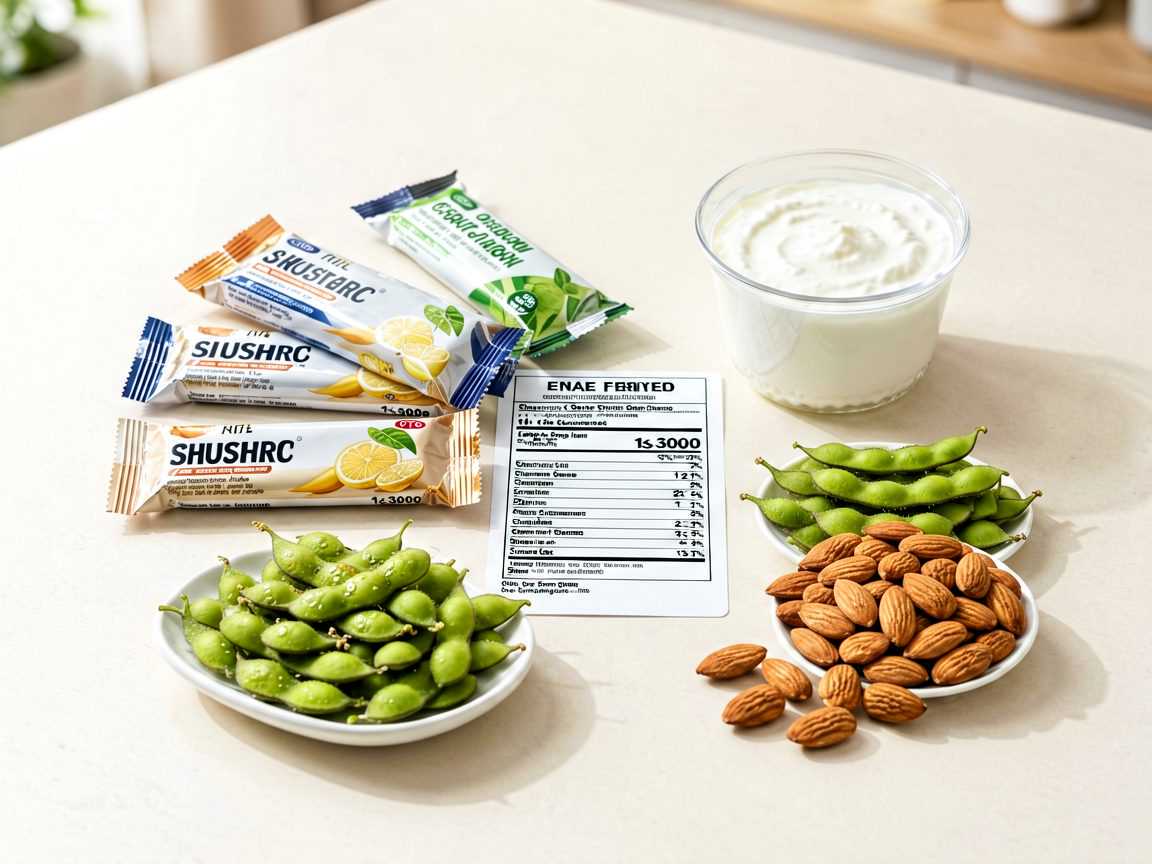
Bars may use milk proteins such as whey or milk protein, plant proteins such as soy or pea, egg protein, collagen, or blends. Each has different nutrition and texture characteristics. Whey and milk proteins may be unsuitable for people with milk allergies, and some people with lactose intolerance may need a different format. Soy and pea bars can work for some plant-based eaters, but labels still need to be checked for allergens and total nutrition.
Collagen is a protein ingredient, but a collagen bar is not automatically equivalent to a complete snack or meal. If you rely on bars frequently, ask a dietitian whether the overall food pattern includes a variety of protein foods. A bar can be convenient without being nutritionally complete.
Fiber: helpful, but concentrated forms need attention
Whole foods such as fruit, vegetables, beans, lentils, oats, nuts, and seeds provide fiber in a broader food context. Bars may add chicory root fiber, inulin, soluble corn fiber, resistant starch, or other fibers. These ingredients are not automatically bad, but tolerance varies. A bar that provides a large amount of fiber in one sitting may cause gas, cramping, or changes in bowel habits for some people.
Increase concentrated fiber gradually and drink fluids according to your usual care plan. Do not use a protein bar to self-treat constipation or other symptoms. If constipation, diarrhea, nausea, vomiting, abdominal pain, or difficulty eating persists, contact a qualified clinician. A food label cannot identify the cause or provide a personal treatment plan.
Added sugars, sugar alcohols, and sweetness
Protein bars can taste like candy, which may be useful when it helps you choose a snack you will actually eat. Still, compare added sugar and serving size. “Low sugar” does not mean low calorie, high fiber, or suitable for everyone. Sugar alcohols such as maltitol, erythritol, sorbitol, or xylitol can affect digestion differently from person to person. Check the ingredient list and observe your own tolerance.
If a very sweet bar feels unappealing, try a plain or lightly sweetened yogurt, a boiled egg, edamame, cottage cheese, tofu, or fruit with nuts. Variety is a strength. You do not need to force a bar because its label looks impressive.
Texture and appetite considerations
Some bars are dense, sticky, dry, or difficult to chew. When appetite is lower or a full meal feels difficult, a dense bar may be less comfortable than a soft food. Consider softer options such as Greek yogurt with berries, a small smoothie, silken tofu pudding, cottage cheese with fruit, or milk or fortified soy beverage.
If you do choose a bar, eat slowly and stop if it feels uncomfortable. Keep it as a snack-sized option rather than automatically adding another bar because the first was small. A dietitian can help you plan easy protein options when appetite, digestion, or treatment affects eating.
How to compare common bar formats
| Format | Potential advantage | Label questions | Alternative |
|---|---|---|---|
| Milk-protein bar | Often familiar and protein-forward | Milk allergens, lactose, saturated fat, added sugar | Greek yogurt or cottage cheese |
| Plant-protein bar | Useful for vegetarian or vegan patterns | Soy or pea allergens, texture, fiber concentration | Edamame, tofu, or roasted chickpeas |
| Collagen bar | Can have a soft or chewy texture | Protein type, total protein, added sugars | Eggs, fish, poultry, beans, or yogurt |
| High-fiber bar | Portable source of fiber | Fiber type, sugar alcohols, digestive tolerance | Fruit, oats, beans, or nuts |
| Meal-style bar | May be more substantial when a meal is delayed | Calories, protein, fiber, vitamins, sodium, allergens | A small balanced meal or prepared snack box |
The table describes formats, not endorsements. Read the current package because formulations change. If you have an allergy, verify the manufacturer’s allergen statement and cross-contact information.
When a bar may be useful
A bar can be a practical backup when you are traveling, waiting at an appointment, working through a delayed lunch, or unable to shop immediately. Store it in a cool, dry place and check the package directions. Carry water if that is part of your normal routine, but follow any fluid limits from your care team.
Use the bar as a bridge to a regular meal when possible, not as a reason to skip eating all day. Pair it with produce when comfortable, or choose a different snack with a clearer mix of protein and plant foods. Planning two or three backup options reduces dependence on a single product.
When to choose a different snack
Choose another food if the bar is too hard to chew, causes repeated digestive discomfort, contains an allergen, is too sweet for your preferences, or makes it harder to eat varied foods. A simple snack box can include yogurt, berries, a boiled egg, cucumber, tofu, edamame, whole-grain crackers, or nuts, depending on your needs and food pattern.
People with diabetes, kidney disease, gastrointestinal disorders, swallowing concerns, food allergies, pregnancy, or a history of eating disorders should ask a qualified professional how packaged snacks fit their situation. Protein and fiber numbers on a wrapper are not a substitute for that conversation.
Semaglutide safety boundaries
FDA-approved semaglutide labeling includes gastrointestinal adverse reactions such as nausea, vomiting, diarrhea, abdominal pain, and constipation. The labeling also discusses fluid loss associated with vomiting or diarrhea. These facts do not mean that a symptom is necessarily caused by Wegovy, and they do not provide personal instructions. If symptoms are severe, persistent, or interfere with drinking or eating, contact your prescribing clinician. Seek urgent help for symptoms your healthcare team has identified as urgent.
Do not change the medicine, dose, schedule, or formulation because a bar feels easier or harder to eat. Do not use bars, supplements, or fiber products to replace medical evaluation. Bring the product label and your symptom notes to a clinician or pharmacist if you need help choosing an option.
A quick shopping checklist
Before buying a box, check the serving size, protein, fiber, added sugar, saturated fat, sodium, allergens, expiry date, and texture. Buy one or two single bars first if possible. Test a new bar on an ordinary day rather than right before a long trip. Keep a note of whether it was comfortable, filling enough, easy to carry, and worth the price.
For a broader food routine, compare this article with the frozen-meal label guide, the vegetarian snack guide, and the GLP-1 nutrition hub. These resources are educational and should not replace individualized care.
Bottom line
The best protein bars for people on Wegovy are the ones that fit your label priorities, food preferences, budget, texture needs, and digestive tolerance. Look beyond the front label, compare protein and fiber with added sugar and sodium, and treat concentrated ingredients cautiously. Keep whole foods and softer alternatives in rotation. Most importantly, keep medication and symptom decisions with your prescriber or pharmacist.
Sources and boundaries: General nutrition guidance is informed by NIDDK healthy-eating guidance and FDA-approved semaglutide labeling. This article is educational and does not diagnose, prescribe, provide dosing, or recommend medication changes.