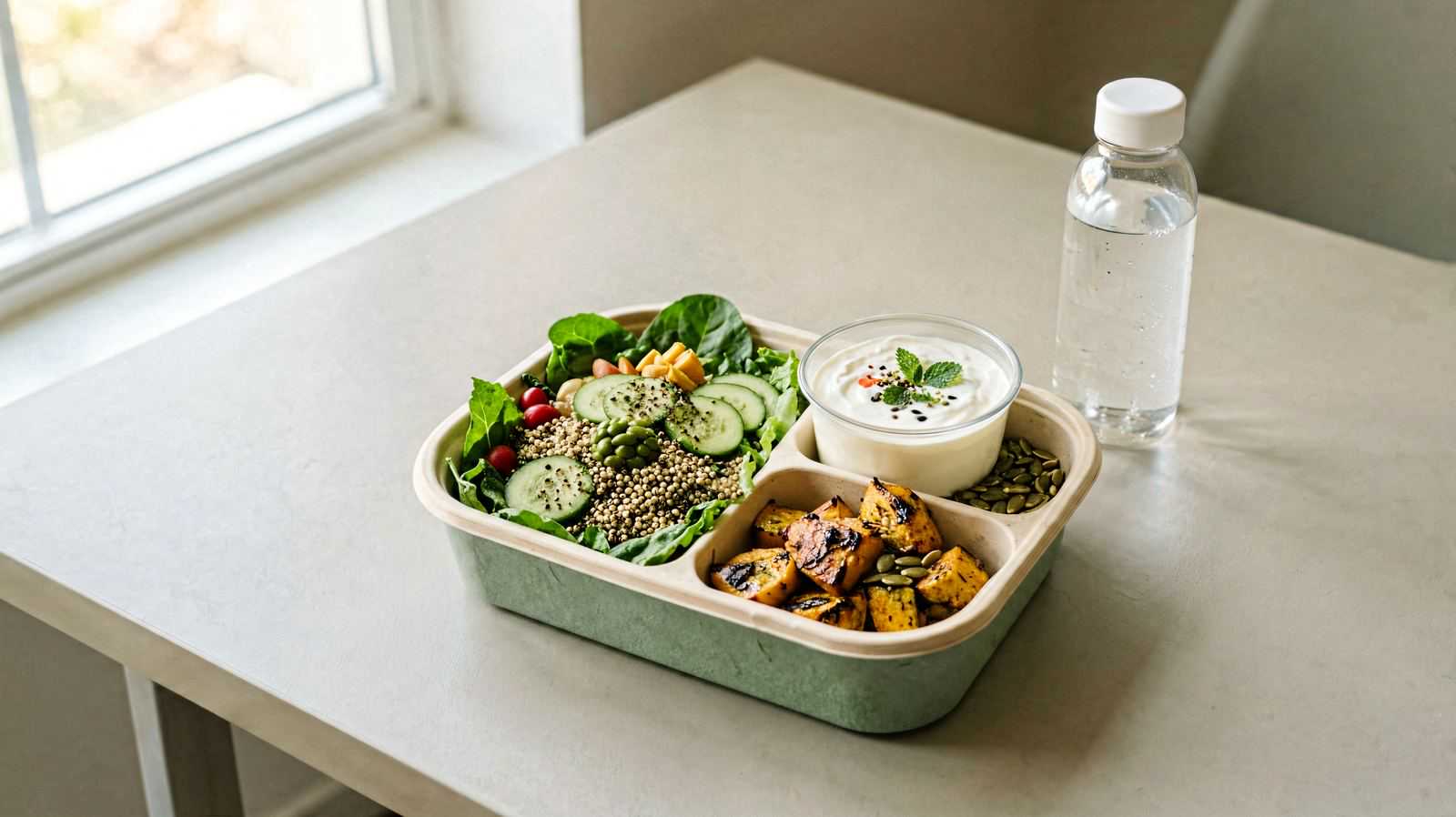
Practical vegetarian snack ideas for people using semaglutide, with small portions, protein and fiber pairings, label tips, food safety, and clear medical boundaries.
Snack ideas for vegetarians on semaglutide work best when they are small, familiar, and easy to adjust. A useful snack usually combines a modest protein source with a fiber-rich plant food, plus fluid when appropriate. That can mean Greek yogurt with berries, roasted edamame with a clementine, cottage cheese with cucumber, or hummus with a few whole-grain crackers. The goal is not to follow a rigid “semaglutide diet.” It is to keep practical options available when appetite, meal timing, or tolerance changes.
This guide focuses on food organization and general nutrition support. Semaglutide is a prescription medicine, and the right eating pattern depends on your medical history, other medicines, symptoms, and clinician’s advice. Food cannot prevent every side effect or replace medical care. Use the ideas below as a flexible menu, not a prescription.
What makes a useful vegetarian snack?
A snack earns its place when it solves a real problem: you need something portable, you are between meals, a full portion feels unappealing, or you want a simple way to add protein or plants. For many people, the most helpful structure is “one anchor plus one side.” The anchor is a protein-containing food such as yogurt, tofu, cottage cheese, edamame, eggs, milk, or a clearly labeled protein drink. The side is a plant food such as berries, a kiwi, snap peas, carrots, an orange, chia, or a small whole-grain portion.
Protein and fiber are not interchangeable. Protein contributes amino acids and can make a snack more substantial; fiber supports food variety and digestive regularity. A snack does not need to be high in both every time. A small yogurt may be useful when you have little appetite, while fruit and nuts may be more practical later. Think across the day rather than trying to force a large amount into one sitting.
Use labels to compare options. Look at serving size, protein, fiber, added sugars, saturated fat, and sodium. NIDDK recommends a varied pattern that includes vegetables, fruits, whole grains, beans, peas, nuts, seeds, dairy or suitable alternatives, and other protein foods. See the GLP-1 nutrition hub for more practical context.
A simple snack formula for a low-appetite day
Start with a portion that feels manageable. Choose one item from each group:
- Protein anchors: plain or lightly sweetened Greek yogurt, cottage cheese, calcium-fortified soy yogurt, shelled edamame, two small eggs, tofu cubes, or milk.
- Fiber and color: berries, pear slices, kiwi, an orange, cucumber, bell pepper, carrots, snap peas, chia, or a small serving of oats.
- Optional texture: walnuts, pumpkin seeds, high-fiber crackers, or a spoon of nut butter.
Keep the optional item optional. Higher-fat foods and very large portions can feel heavy for some people, especially when nausea or early fullness is present. If a snack consistently causes discomfort, stop experimenting with it and discuss the pattern with your clinician.
Ten practical snack ideas
1. Greek yogurt, berries, and chia
Use plain Greek yogurt or a lower-sugar option, add a small handful of berries, and stir in chia if you tolerate it. Letting chia soften for a few minutes can create a smoother texture. This is a good make-ahead choice, but keep the portion modest if a large bowl feels too filling.
2. Edamame and citrus
Shelled edamame supplies plant protein and the citrus adds freshness. Pack frozen edamame after steaming and cooling, or use a microwaveable plain version. Season lightly with lemon, black pepper, or a small amount of low-sodium seasoning.
3. Cottage cheese and cucumber
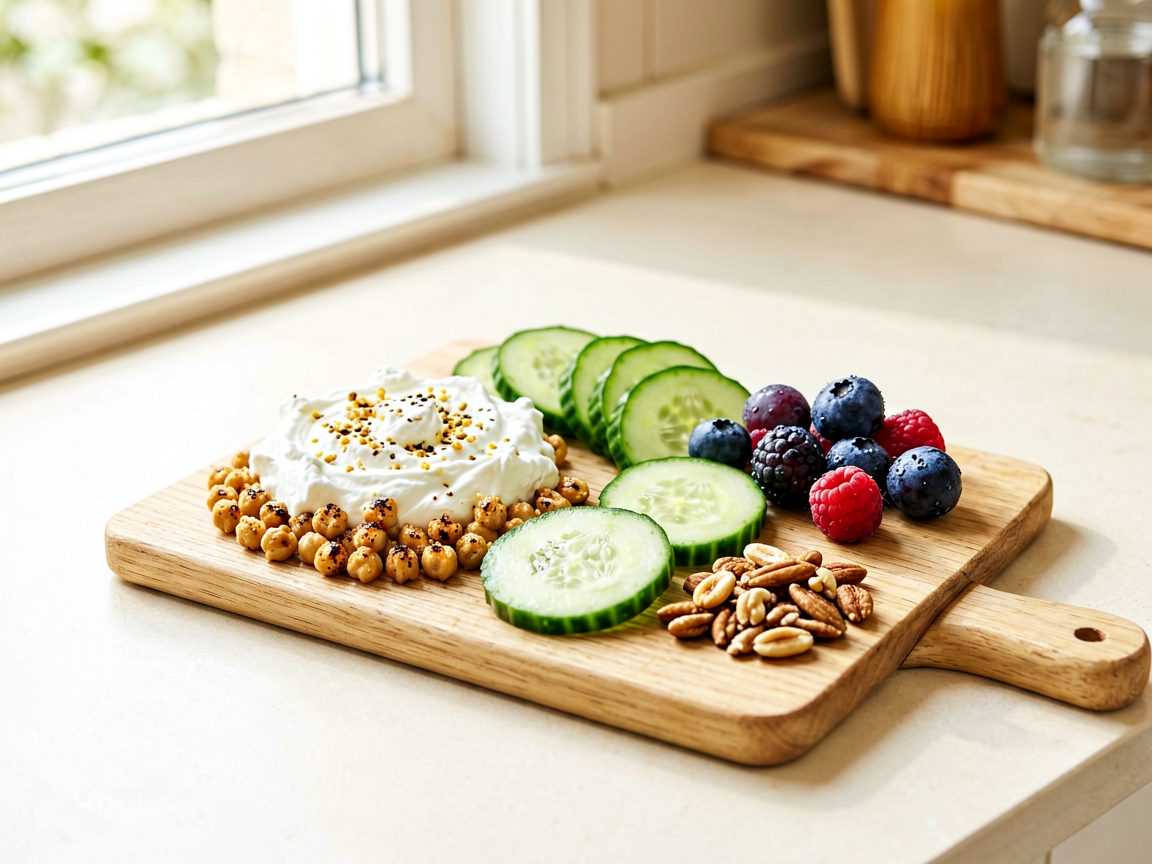
Pair a few spoonfuls of cottage cheese with cucumber rounds or tomatoes. Choose a lower-sodium label if that fits your needs. If dairy is not comfortable, try calcium-fortified soy yogurt or a tofu-based dip.
4. Hummus with crisp vegetables
Hummus and carrots, peppers, or snap peas are easy to portion into a small container. Add a few whole-grain crackers only if you want more carbohydrate or crunch. For a higher-protein version, look for hummus made with extra chickpeas or blend edamame into homemade hummus.
5. Tofu bites with pineapple
Press firm tofu, cut it into small cubes, and bake or pan-sear with a mild seasoning. Pack a few cubes with pineapple or melon. This works well cold and can be prepared with dinner leftovers.
6. Egg and tomato cup
A small hard-boiled egg with cherry tomatoes is compact and familiar. If eggs are not part of your vegetarian pattern, substitute marinated tofu or a small portion of edamame. Add herbs instead of relying on a heavy sauce.
7. Apple slices with measured nut butter
Apple provides fiber and a crisp texture; nut butter adds fat and some protein. Measure the nut butter rather than eating from the jar. If apples feel too bulky, try a few slices of pear or a kiwi.
8. Protein-fortified smoothie
Blend milk or fortified soy beverage with yogurt, berries, and a small amount of oats. Sip slowly. Avoid turning a snack into a very large liquid meal, and check the label on any protein powder for added sugars, sugar alcohols, and ingredients that do not agree with you.
9. Roasted chickpeas
Roasted chickpeas are portable and provide plant protein and fiber. Buy a lightly seasoned version or roast drained chickpeas at home. Start with a small portion and drink according to your normal needs because a large amount of fiber at once may be uncomfortable.
10. Overnight oats in a small jar
Combine oats with milk or soy beverage, yogurt, cinnamon, and a few berries. Make a half-size jar rather than a large breakfast portion. Refrigerate safely and use within the storage period recommended for the ingredients.
How to choose snacks when symptoms or tolerance change
Do not use online snack lists to diagnose nausea, vomiting, abdominal pain, constipation, or other symptoms. If symptoms are persistent, severe, or concerning, contact the prescribing clinician. The FDA-approved semaglutide labeling includes gastrointestinal adverse reactions and warns that vomiting or diarrhea can contribute to fluid loss; your care team can tell you what is appropriate for your situation.
When mild food aversion makes textures difficult, test bland, cool, or soft foods in small amounts: yogurt, chilled tofu, a peeled fruit, a plain egg, or a thin smoothie. Avoid forcing foods you dislike. When constipation is a concern, gradually include tolerated plant foods and fluids, but do not make a sudden large fiber increase. NIDDK notes that fiber can be part of constipation prevention, while individual needs and medical conditions vary.
If you are having trouble eating enough, a dietitian can help you build a plan that respects vegetarian preferences, allergies, budget, and medical needs. People with diabetes, kidney disease, gastrointestinal disorders, a history of eating disorders, pregnancy, or other special circumstances should ask a qualified clinician for individualized advice.
Make snack ideas easier to use
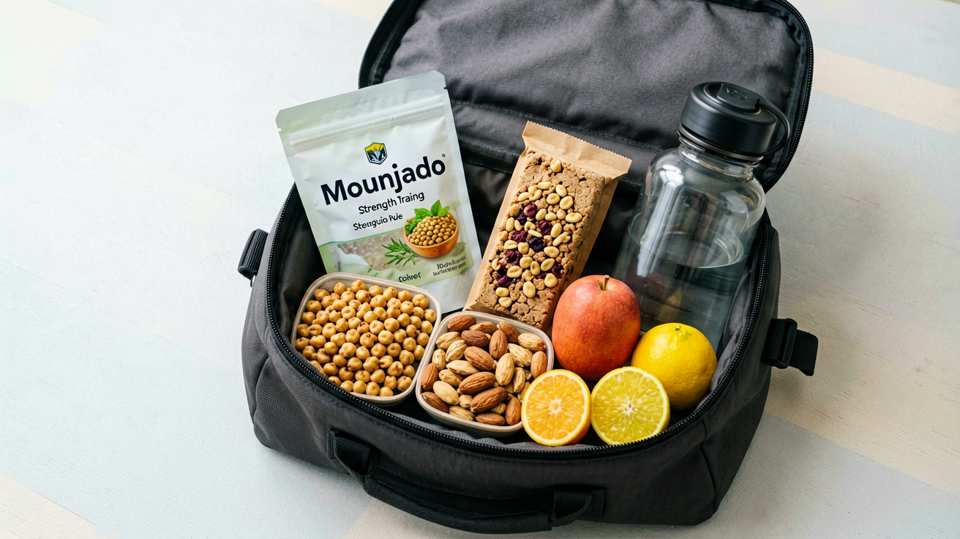
Prepare components rather than ten finished recipes. Wash and cut produce, portion edamame, cook eggs if you eat them, and keep single servings of yogurt or tofu where you can see them. Put shelf-stable choices in a work bag: roasted edamame, a lower-sugar protein bar with a readable label, whole-grain crackers, or a small nut packet. A grocery list can include one item from every category so you are not relying on willpower.
Use a two-question check-in: “What can I tolerate comfortably?” and “What is missing from my day so far?” If you have already had several protein-containing foods, produce may be the useful addition. If you have eaten little protein, yogurt, soy, tofu, edamame, eggs, or milk may be the better anchor. This approach avoids treating one snack as a magic solution.
For more packing ideas, compare this guide with vegetarian work-lunch planning, travel snack planning, and the condition-aware grocery-list framework. Those pages use different situations, but the same principles apply: simple portions, label awareness, and flexible substitutions.
Food safety and label notes
Keep dairy, eggs, tofu, and prepared foods cold. Use an insulated lunch bag when needed, wash produce, and follow package storage instructions. Check allergens in yogurt toppings, protein powders, bars, and hummus. “Vegetarian” does not automatically mean low sugar, high protein, or high fiber, so the Nutrition Facts panel still matters. Ingredients such as sugar alcohols, inulin, or very concentrated fiber may be uncomfortable for some people.
Also remember that semaglutide products and indications differ. Do not change a medicine, dose, schedule, or formulation because of an online article. FDA information about approved labeling and safety should be discussed with your prescriber or pharmacist rather than interpreted as personal medical advice.
Bottom line
The best snack ideas for vegetarians on semaglutide are the ones you can tolerate, portion, pack, and repeat. Build a short list around yogurt or soy foods, tofu, edamame, eggs if included, beans, produce, and measured nuts or seeds. Start small, adjust texture and timing, and track patterns without turning food into a test you must pass. If symptoms interfere with hydration, nutrition, or daily life, ask your healthcare team for help.
Sources and boundaries: General nutrition guidance is informed by NIDDK healthy-eating guidance and current FDA labeling information for semaglutide products. This article is educational and does not provide diagnosis, prescribing, dosing, or medication-change advice.