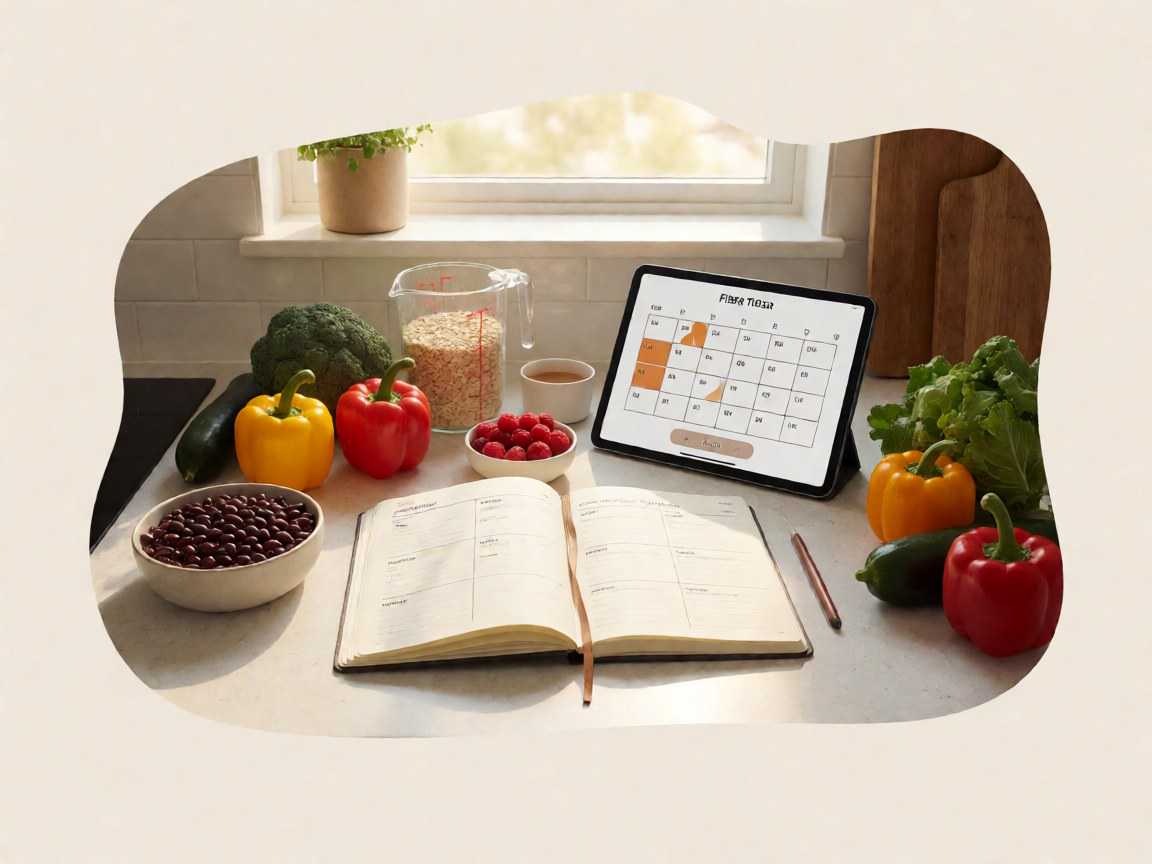
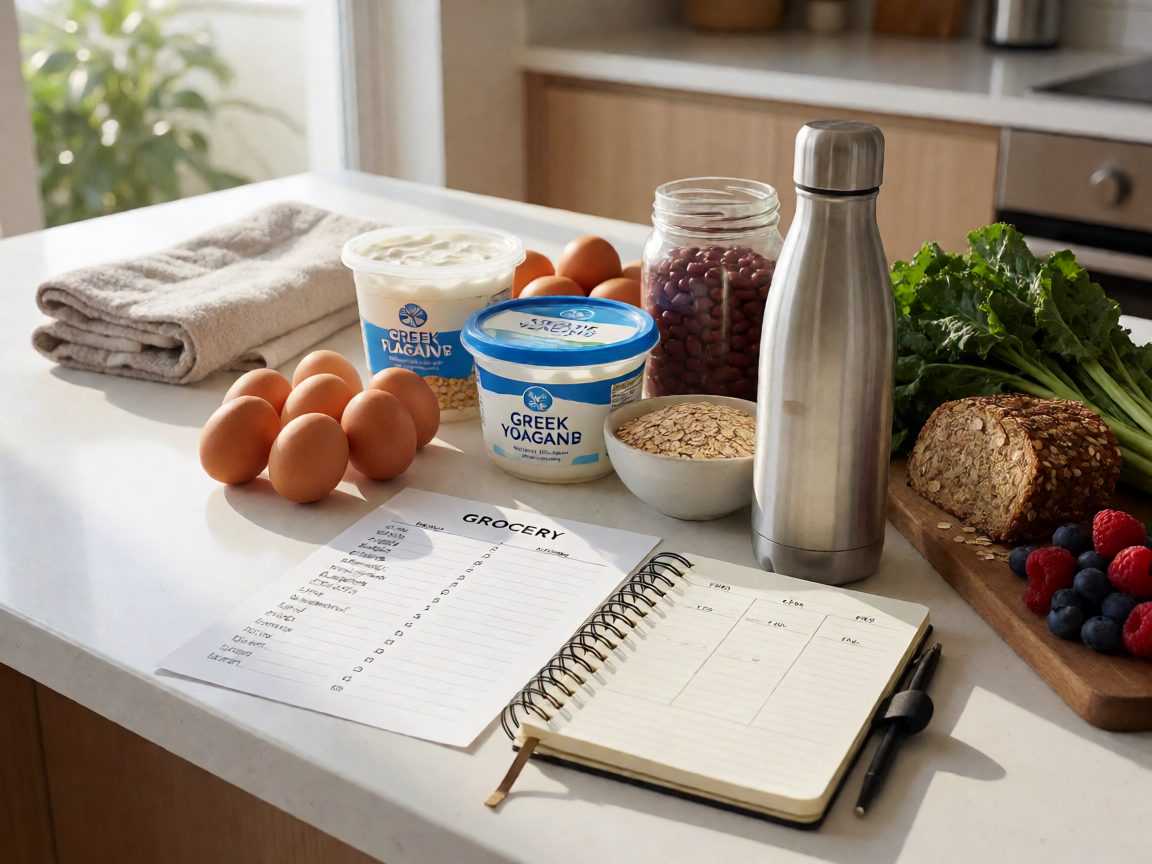
A flexible GLP-1 meal plan tracker for women over 40 to note protein, fiber, fluids, comfort, and context without prescribing medication or rigid diet rules.
A GLP-1 meal plan tracker for women over 40 should make daily decisions easier without pretending that one template fits every person. A useful tracker records meals, protein-containing foods, fiber-rich foods, fluids, symptoms, energy, and context in a few quick notes. It can help you notice patterns such as skipping breakfast, relying on very small meals, or increasing fiber too quickly. It should not be used to change a prescription, diagnose a symptom, or judge your body by a single day.
GLP-1 medicines are prescribed for different reasons and have individual safety considerations. Appetite, digestion, diabetes management, menopause symptoms, activity, and other medical factors can all affect food choices. This article is a practical organization system for general education. Discuss personal targets, symptoms, and medication questions with your clinician or pharmacist.
What a meal plan tracker should capture
A tracker is most useful when it records information you can act on. Instead of writing a detailed calorie diary, use five fields:
- Meal or snack: the time and a short description.
- Protein anchor: yogurt, eggs, fish, poultry, tofu, beans, cottage cheese, milk, or another food you actually eat.
- Plant foods and fiber: vegetables, fruit, beans, lentils, oats, whole grains, nuts, or seeds.
- Fluids and comfort: a simple note about drinking and whether the meal felt comfortable.
- Context: sleep, work stress, travel, exercise, social eating, or a symptom that affected the meal.
These fields are intentionally descriptive. They do not create a medical score. Your clinician may want different information, especially if you have diabetes, kidney disease, gastrointestinal disease, a history of eating disorders, or other health conditions.
Why women over 40 may want a flexible system
Midlife can bring changing schedules, work and caregiving demands, shifts in sleep, changing activity, and menopause-related experiences. A rigid meal plan can become another source of stress when appetite or tolerance is different from day to day. A flexible tracker makes room for smaller portions, substitutions, and meals assembled from what is available.
Use the tracker to ask, “What helped me eat comfortably?” rather than, “Did I follow the plan perfectly?” A pattern of low intake, repeated discomfort, or difficulty meeting basic nutrition needs is a reason to seek professional help. It is not a reason to keep tightening the plan.
NIDDK’s healthy-eating guidance emphasizes varied nutrient-rich foods such as vegetables, fruits, whole grains, beans, peas, nuts, seeds, dairy or suitable alternatives, and other protein foods. Those categories work well as tracker prompts. The Tools hub collects related planning and reminder resources.
A one-page tracker layout
Use one row per eating occasion. You can print the page or recreate it in a notes app or spreadsheet.
| Time | Food or drink | Protein anchor | Plant/fiber food | Comfort and context |
|---|---|---|---|---|
| Morning | Short description | What was included? | Fruit, oats, seeds, or vegetables? | Energy, sleep, tolerance |
| Midday | Short description | What was included? | What plant food was included? | Work, travel, appetite |
| Afternoon | Snack or none | Optional anchor | Optional plant food | Hunger, stress, hydration |
| Evening | Short description | What was included? | Vegetables, legumes, or whole grains? | Comfort, fullness, plans |
Keep notes short enough that you will use the tracker. “Greek yogurt and berries; comfortable; busy morning” is more useful than a paragraph you stop writing after two days.
How to use the tracker without turning it into a rulebook
At the end of each day, look for one neutral observation. You might notice that a soft breakfast was easier than a large breakfast, that carrying a snack helped during a long appointment, or that a high-fiber meal felt better when the portion was gradual. Choose one small experiment for the next day, such as packing yogurt, adding a vegetable to lunch, or preparing tofu in advance.
Avoid assigning moral labels to foods. A tracker is a planning tool, not a grading system. It should not be used to compensate for eating, set a medication dose, or create a guaranteed weight-loss target. If tracking increases anxiety or restrictive behavior, stop and speak with a qualified professional.
Protein prompts for a practical day
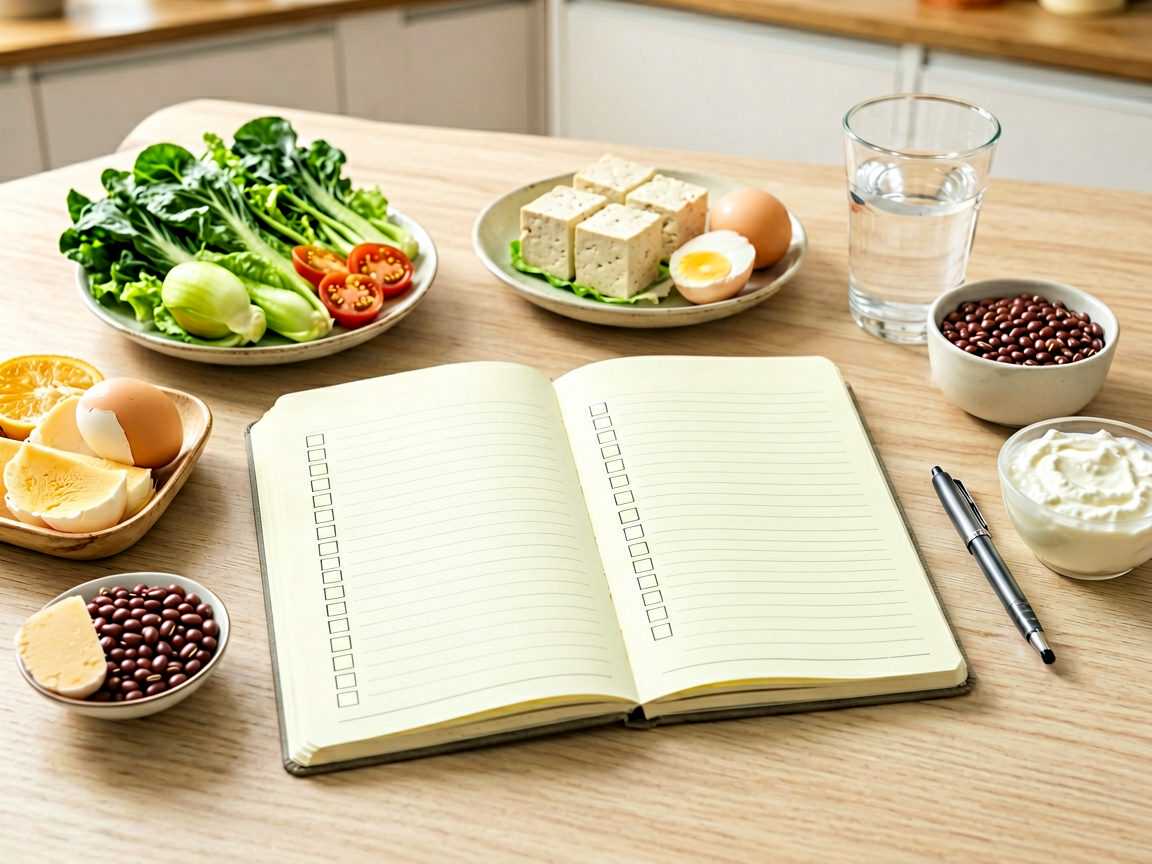
Rather than assigning a universal gram target, create a list of protein anchors that match your preferences and budget. Breakfast possibilities include Greek yogurt, cottage cheese, eggs, tofu scramble, or a fortified soy beverage. Lunch might use beans, lentils, tuna, chicken, fish, tofu, tempeh, or a leftover protein. Snacks can include edamame, yogurt, a small glass of milk, roasted chickpeas, or a label-checked bar. Dinner can repeat lunch choices; repetition is a feature when it reduces decision fatigue.
Write the anchor in the tracker even when the portion is small. The record helps you see variety across the day without implying that a specific amount is right for everyone. Older adults, athletes, people with kidney disease, and people recovering from illness may need individualized advice.
Fiber prompts and gradual changes
Fiber-rich foods include vegetables, fruits, beans, lentils, oats, whole grains, nuts, seeds, and some fortified foods. Add one familiar option at a time. If you move suddenly from very little fiber to large amounts of bran, beans, or concentrated fiber products, you may feel uncomfortable. Hydration needs also vary, so follow your care plan rather than chasing a generic water number.
Record the type of fiber food and how it felt, not just a total. “Lentil soup, comfortable” gives better information than “fiber: good.” If you have persistent constipation, diarrhea, pain, vomiting, or difficulty eating, contact a clinician. A tracker cannot determine the cause or treatment.
Medication and symptom boundaries
FDA labeling for semaglutide products describes gastrointestinal adverse reactions, including nausea, vomiting, diarrhea, abdominal pain, and constipation, and notes that fluid loss from vomiting or diarrhea can be important. This does not mean every symptom is caused by a medicine, and it does not tell you what to do personally. Use the tracker to communicate clearly with your prescriber: when a symptom occurred, what you ate, whether you could drink, and whether it affected daily activities.
Seek timely medical advice for severe or persistent symptoms, signs of dehydration, significant pain, fainting, or any concern your care team has already told you to treat urgently. Do not start, stop, combine, or alter medicines based on this article. Bring the product name and your questions to a qualified healthcare professional.
A weekly review that takes five minutes
- Circle one meal that felt easy to repeat.
- Mark one time you had a protein anchor.
- Mark one plant food or fiber source that felt comfortable.
- Write one logistical barrier, such as no refrigerator or a rushed meeting.
- Choose one preparation task for the next week.
Examples of preparation tasks include cooking a batch of lentils, washing fruit, buying single-serve yogurt, freezing tofu portions, or placing a water bottle in your work bag. The best task is small enough to complete.
How to combine this tracker with other tools
A tracker works better when it connects to a real decision. Pair it with the fiber reminder generator if you want a prompt to include plant foods, or use the food noise journal template when thoughts about food are making planning difficult. For a maintenance-focused routine, the weight maintenance meal plan offers a different audience and context.
Do not fill every tool at once. Pick one page for one week, then decide whether it helped. More tracking is not automatically more useful.
Common mistakes to avoid
One mistake is recording only calories and missing comfort, texture, fluids, or food access. Another is using a tracker to force a large meal when appetite is low. A third is assuming that a high-protein label means the food is automatically right for you; sodium, added sugar, allergens, and tolerability still matter. Finally, avoid comparing your page with another person’s page. Their prescription, medical history, and needs may be completely different.
A gentle way to personalize the page
At the end of the week, review the tracker with curiosity. Which foods were easy to shop for? Which textures worked on busy days? Did a social meal, a workout, or poor sleep change your routine? These questions can reveal practical improvements that have nothing to do with willpower. You might decide to keep two breakfasts available, store an emergency snack at work, or use leftovers for lunch. If you share the tracker with a clinician, include the dates and the context around symptoms rather than trying to interpret the pattern yourself.
Bottom line
A GLP-1 meal plan tracker for women over 40 should be brief, flexible, and useful for conversations with your care team. Record eating occasions, protein anchors, plant foods, fluids, comfort, and context. Review patterns without judgment, make one practical adjustment at a time, and stop tracking if it worsens anxiety or restriction. General food organization can support daily life, but medication and symptom decisions belong with qualified professionals.
Sources and boundaries: General food guidance is informed by NIDDK healthy-eating guidance and FDA-approved semaglutide labeling. This article is educational and does not diagnose, prescribe, provide dosing, or recommend medication changes.