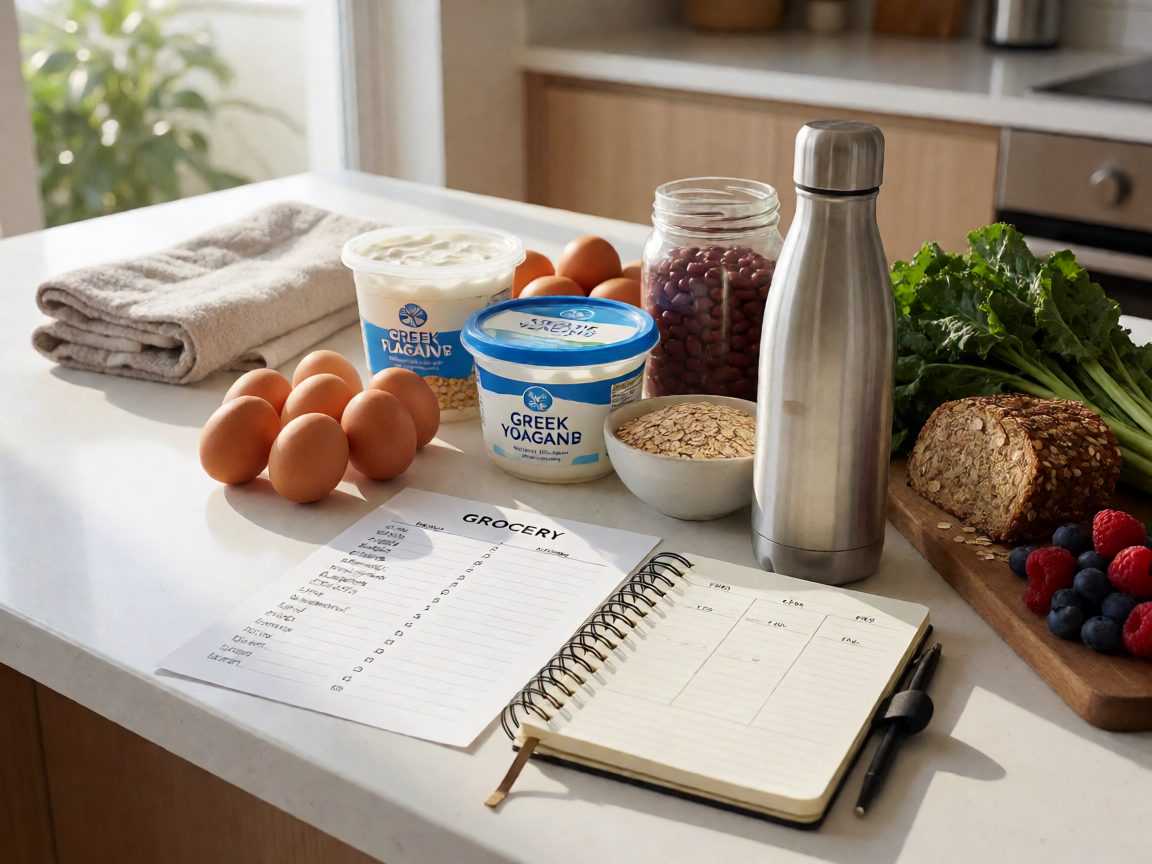
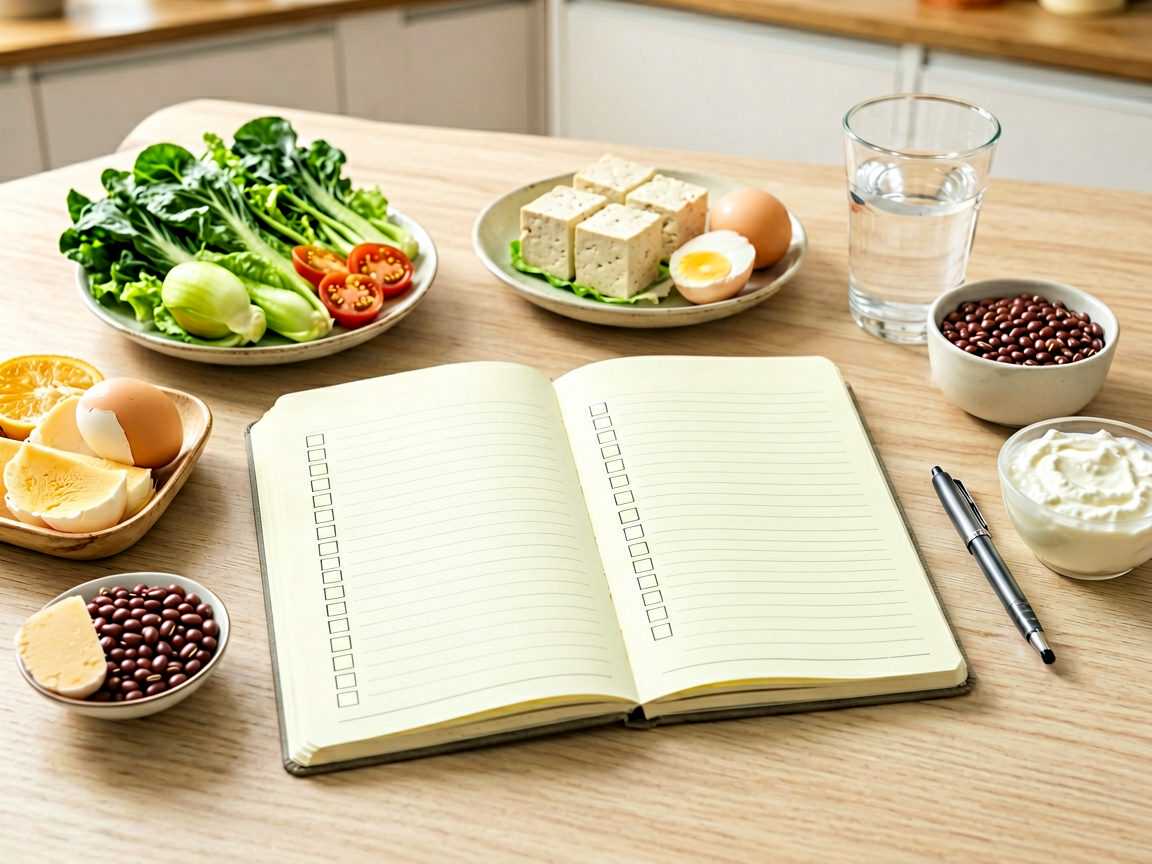
Use a practical high-fiber meal plan tracker for women over 40 to record plant foods, protein anchors, comfort, fluids, and repeatable weekly meals.
A high-fiber meal plan tracker for women over 40 works best when it records simple decisions rather than judging them. Use it to note the meals you planned, the fiber-rich foods you included, your protein anchor, fluids, and how the meal felt. A tracker is not a prescription and it does not need to produce a perfect score. Its job is to make patterns visible so you can repeat what works and adjust what does not.
This article gives you a printable-style weekly system, a sample seven-day framework, and a practical way to increase fiber gradually. Needs vary with health conditions, medications, activity, appetite, and personal preference. If you have persistent bowel changes, difficulty swallowing, kidney disease, diabetes, or a clinician-directed diet, ask a qualified professional how to tailor the plan.
What a useful fiber meal plan tracker should capture
Many trackers fail because they ask for too much detail. A practical page can use six fields:
- Meal: breakfast, lunch, dinner, or snack.
- Fiber feature: beans, lentils, vegetables, fruit, oats, whole grains, nuts, or seeds.
- Protein anchor: eggs, yogurt, tofu, fish, poultry, beans, lentils, or another food that makes the meal more filling.
- Fluid check: a simple note such as low, typical, or high for your usual intake.
- Comfort: comfortable, too full, rushed, or digestive symptoms.
- Next action: repeat, reduce portion, prepare ahead, or choose a different ingredient.
The goal is not to track every gram forever. A seven- to fourteen-day snapshot is often enough to spot whether fiber is concentrated in one meal, whether breakfast has no plant foods, or whether convenience foods are crowding out the foods you actually enjoy.
Printable weekly tracker template
Copy this structure into a notebook, spreadsheet, or printed page. Leave space for short notes; the tracker should take less than five minutes per day.
| Day | Breakfast | Lunch | Dinner | Snack | Fiber feature to repeat | Comfort / next action |
|---|---|---|---|---|---|---|
| Monday | Oats + berries + yogurt | Lentil soup + salad | Tofu or chicken bowl + vegetables | Apple + nut butter | Oats, lentils, berries | Was the lunch portion comfortable? |
| Tuesday | Eggs + whole-grain toast | Bean and grain salad | Fish or tofu + roasted vegetables | Plain yogurt + seeds | Beans and vegetables | Prepare tomorrow’s beans |
| Wednesday | Chia pudding + kiwi | Leftover bowl | Turkey, tempeh, or lentil chili | Carrots + hummus | Chia, chili, carrots | Note thirst and fullness |
| Thursday | Soy yogurt + fruit + oats | Chicken or tofu wrap + greens | Whole-grain pasta + vegetables | Edamame | Greens and whole grains | Check label on the wrap |
| Friday | Vegetable omelet | Chickpea salad | Lean protein + potato + green beans | Popcorn or fruit | Chickpeas and vegetables | Choose a weekend prep task |
| Saturday | Overnight oats | Soup and a protein side | Bean tacos + cabbage slaw | Pear + walnuts | Oats, beans, cabbage | Record what felt easiest |
| Sunday | Cottage cheese or tofu + fruit | Leftover vegetables + grain | Sheet-pan protein + vegetables | Berries + seeds | Batch-cooked vegetables | Plan two meals for Monday |
How to use the tracker without chasing a perfect number
Start by marking foods, not totals. Put a check beside a meal when it includes one visible plant-food source. Then look for variety: vegetables, fruit, legumes, whole grains, nuts, and seeds each bring different textures and nutrients. The National Institute on Aging describes fiber as a carbohydrate found in foods such as vegetables, beans, and peas, and its meal-planning guidance encourages varied foods and protein sources such as seafood, dairy or fortified soy products, beans, peas, and lentils.
If you prefer numbers, use the Nutrition Facts label to compare similar products, but remember that a label is a tool rather than a grade. A meal with vegetables, beans, and a protein source may be useful even if you do not calculate an exact fiber total. The NIA label guide also recommends reading the whole label, including serving size, sodium, saturated fat, and added sugars.
A seven-day sample planning rhythm
Day 1: Observe
Write down your normal meals before making changes. Circle the meal with the fewest plant foods. That meal becomes the first place to experiment; there is no need to redesign the entire week.
Day 2: Add one familiar fiber food
Add berries to breakfast, a vegetable to a sandwich, or a half-cup of beans to lunch. Familiar foods are easier to repeat than a complicated recipe that requires a new shopping trip.
Day 3: Pair fiber with protein
Combine a fiber-rich carbohydrate with a protein anchor: oats with yogurt, lentils with tofu, fruit with cottage cheese, or whole-grain toast with eggs. This pairing can make the meal feel more complete without requiring a large portion.
Day 4: Check comfort
Record whether you felt comfortable, overly full, rushed, or hungry again quickly. If a larger fiber serving feels uncomfortable, reduce the portion and spread the food across the day. More is not automatically better when your body is telling you to slow down.
Day 5: Prepare one component
Cook a pot of lentils, wash salad greens, roast vegetables, or portion oats. A component is more flexible than a seven-container meal plan because it can be used in several meals.
Day 6: Test a convenience option
Use a frozen vegetable mix, canned beans, a bagged salad, or a plain high-fiber cereal. Rinse canned beans when appropriate and check labels for sodium and added sugar. Convenience is part of a sustainable plan, not a failure of discipline.
Day 7: Review the pattern
Choose two meals to repeat next week, one meal to modify, and one food to stop buying if it consistently goes unused. The review should produce a short shopping list, not a long list of rules.
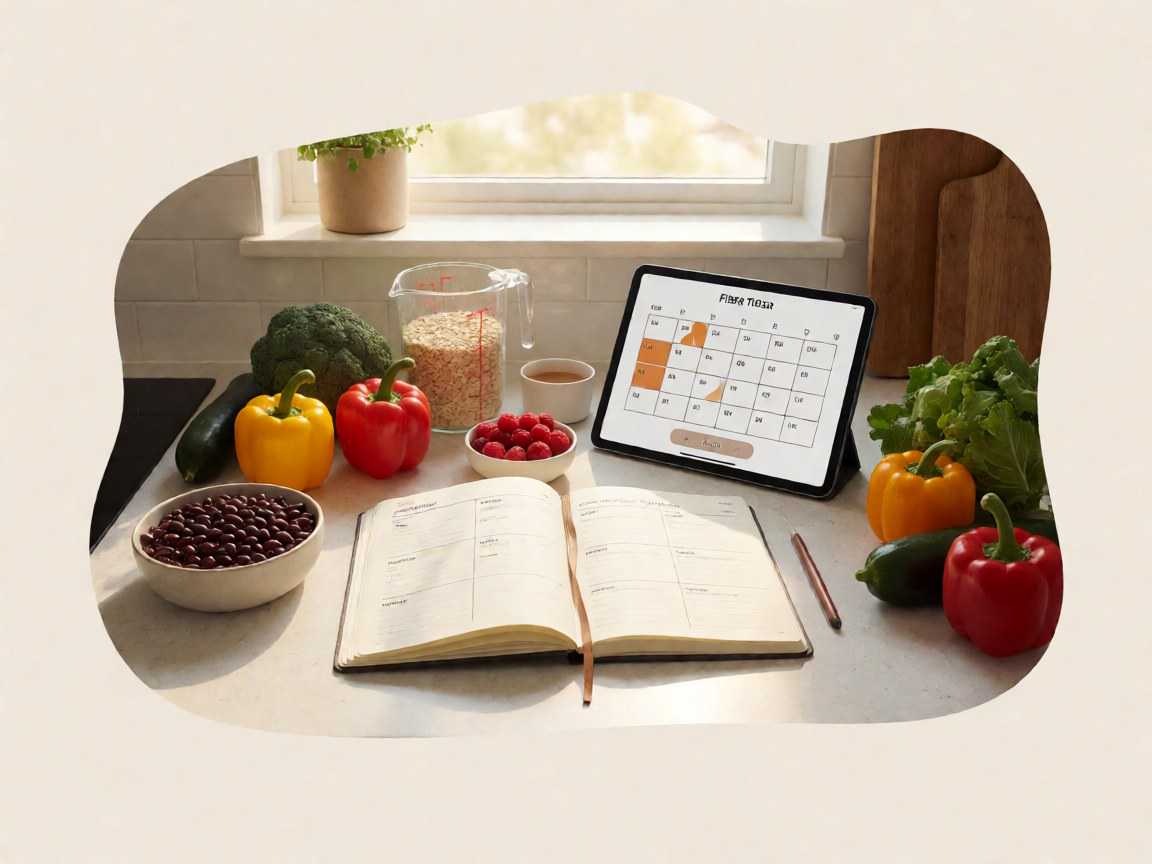
Fiber and protein pairings that work in busy weeks
For breakfast, try oats with plain yogurt, chia, and berries; a vegetable omelet with whole-grain toast; or tofu blended with fruit and ground flax. For lunch, use lentil soup with a side of yogurt, a bean salad with eggs, or a tofu and vegetable grain bowl. For dinner, combine a palm-sized protein portion with two different vegetables and a fiber-rich carbohydrate that you enjoy.
Plant proteins can be especially efficient because beans, lentils, peas, nuts, seeds, and soy foods can contribute both protein and fiber. Animal proteins can still fit well; simply pair them with plants rather than expecting the protein alone to supply fiber.
When building a snack, choose a two-part format: fruit and yogurt, vegetables and hummus, popcorn and edamame, or a pear and a small portion of nuts. If you are using a packaged snack, compare serving size, protein, fiber, added sugar, and sodium instead of relying on front-of-package claims.
Make the tracker easy to use
Put the page where decisions happen: next to the grocery list, on the refrigerator, or in the notes app you already open. Use short words such as “beans,” “berries,” “comfortable,” or “prep.” If a field stays blank for a week, remove it. A useful tracker is allowed to be imperfect, and a small amount of honest information is more valuable than a detailed form you stop using. At the end of the week, highlight one breakfast, one lunch, and one dinner that felt easy enough to repeat. Those three meals can become the backbone of the next plan.
Common tracking mistakes
- Changing everything at once: too many new foods make it hard to learn what helped.
- Ignoring portion size: a very large serving can be uncomfortable even when the ingredients are nutritious.
- Forgetting fluids and routines: a meal plan is more than a list of ingredients; timing, access, and comfort matter.
- Using the tracker to punish yourself: the page should create information, not guilt.
- Assuming a supplement is required: food-first choices are the foundation unless a clinician recommends otherwise.
Use the existing tools hub for related planning ideas, including the fiber reminder generator and the grocery list generator. For food examples, browse the protein and fiber foods hub.
Frequently asked questions
Is this tracker only for women over 40?
No. The structure can work for any adult. The planning examples use a women-over-40 audience because that is the focus of this topic cluster, but individual needs should be based on health, appetite, activity, and professional guidance.
Should I track fiber grams every day?
Only if the numbers are useful and do not create stress. Many people can start with food variety and meal-level checks, then use labels or a nutrition app for a short period when they need more detail.
What if I have constipation or diarrhea?
Do not treat a tracker as a substitute for evaluation. Note the pattern, review recent changes, and contact a qualified clinician for persistent, severe, or concerning symptoms.
Can I use this with a weight-maintenance plan?
Yes. The tracker emphasizes repeatable meals, protein, fiber, and comfort rather than a guaranteed calorie target. Add a separate note for activity, sleep, or weight trend only if those measures help you make calm decisions.
Bottom line: A high-fiber meal plan tracker should make the next meal easier. Record the plant foods, pair them with a protein anchor, notice comfort, and use the weekly review to keep two or three practical habits—not to chase perfection.
General nutrition information only. This article is not medical advice. See our editorial policy and health disclaimer.