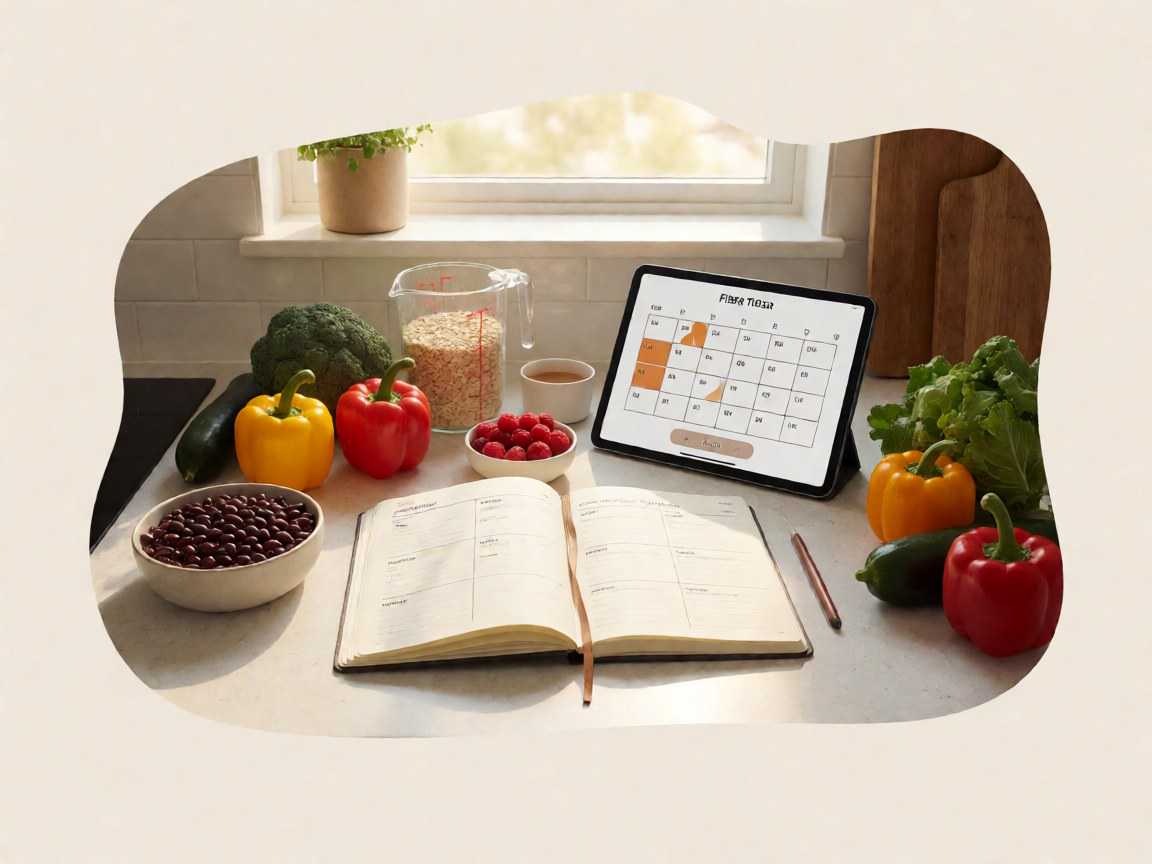
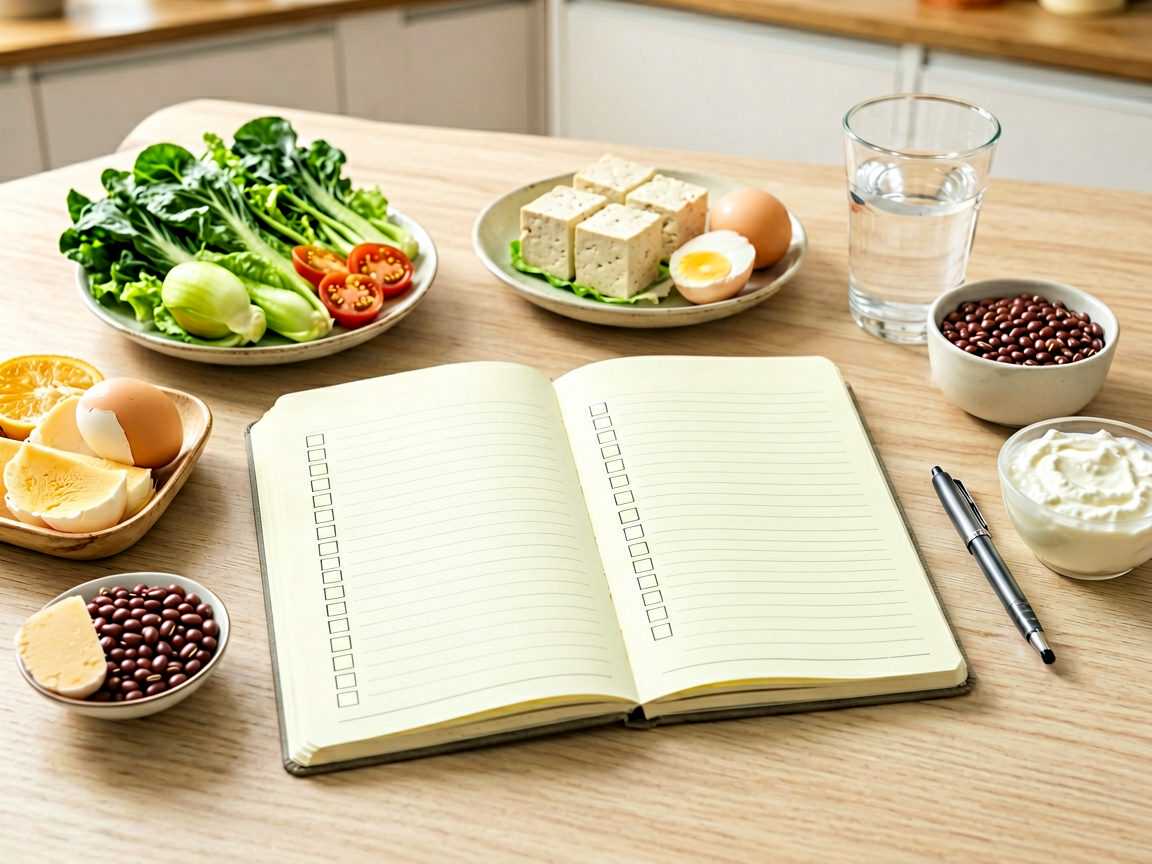
Build a practical weekly grocery list for strength-training beginners with protein anchors, fiber-rich staples, produce, backups, and a simple planning worksheet.
A grocery list generator for strength training beginners should turn a broad goal—eat well and train consistently—into a short list of foods you will actually prepare. The most useful version is not a giant “clean eating” checklist. It is a weekly system that covers protein, fiber-rich carbohydrates, produce, hydration, and a few convenient backups. Start by choosing three breakfasts, three lunches, three dinners, and two snacks that fit your schedule. Then buy the ingredients in quantities that match the number of meals you expect to make.
This guide provides a printable-style framework, a sample seven-day list, a portion planning method, and a quick check for budget and food waste. It is general nutrition information, not a prescription for a specific calorie or protein target. Training plans and medical conditions can change food needs, so use qualified professional guidance when you need individualized advice. For additional planning resources, visit the Protein, Fiber, Meal Planning & Weight Tools hub.
Build the list around meal roles
Instead of shopping by trend, shop by role. Each main meal can include a protein anchor, a produce item, a fiber-rich carbohydrate or legume, and a flavor or fat source. The combination does not need to look the same every day.
- Protein anchors: eggs, Greek yogurt, cottage cheese, chicken, fish, lean meat, tofu, tempeh, beans, lentils, edamame, or a suitable protein powder.
- Fiber-rich carbohydrates: oats, potatoes, brown rice, quinoa, whole-grain bread, whole-wheat tortillas, barley, beans, lentils, and fruit.
- Produce: frozen berries, apples, bananas, carrots, leafy greens, peppers, broccoli, tomatoes, and any vegetables you will use before they spoil.
- Flavor builders: salsa, herbs, garlic, lemon, low-sugar sauces, spices, nut butter, olive oil, and vinegar.
- Convenience backups: frozen vegetables, canned beans, tuna or salmon packets, microwaveable grains, pre-washed greens, and shelf-stable milk or soy beverage.
This structure supports meals around training without promising a particular body-composition result. Food choices can help you practice consistent eating, but progress also depends on training quality, sleep, recovery, stress, and individual factors.
The three-question grocery list generator
Before adding an item, answer three questions:
- Which meal will use it? Write breakfast, lunch, dinner, or snack. If there is no clear meal, buy a smaller amount or skip it.
- How many servings do I need? Multiply the number of meals by the number of people or planned servings. For perishable food, include only the days you will be home.
- What is the backup? Choose one shelf-stable or frozen alternative for busy days. A backup is often more valuable than buying another aspirational ingredient.
For example, if you plan three yogurt breakfasts, two bean lunches, and two chicken dinners, you can estimate the needed amount of yogurt, beans, and chicken before going to the store. Add a small buffer for appetite, but avoid doubling every quantity. Planning by meals makes the list shorter and easier to adjust.
Sample seven-day list for a beginner
The following list is a template, not a required menu. Swap foods for cultural preferences, allergies, budget, and cooking access.
| Group | Example items | Where they fit |
|---|---|---|
| Protein | Eggs, Greek yogurt, chicken or tofu, canned beans, edamame | Breakfasts, bowls, salads, quick snacks |
| Fiber-rich staples | Oats, potatoes, brown rice, whole-grain wraps | Breakfast, post-training meals, packed lunches |
| Produce | Bananas, berries, apples, greens, broccoli, peppers | Smoothies, sides, salads, snacks |
| Flavor | Salsa, lemon, garlic, herbs, olive oil, nut butter | Make repeated meals taste different |
| Backups | Frozen vegetables, microwave grains, tuna or tofu packets | Short-notice meals |
One practical weekly pattern could be overnight oats or eggs for breakfast, grain-and-protein bowls for lunch, sheet-pan vegetables with chicken or tofu for dinner, and yogurt, fruit, or edamame for snacks. Repeat ingredients across meals so one bag of spinach, one batch of grains, or one tray of roasted vegetables does more than one job.
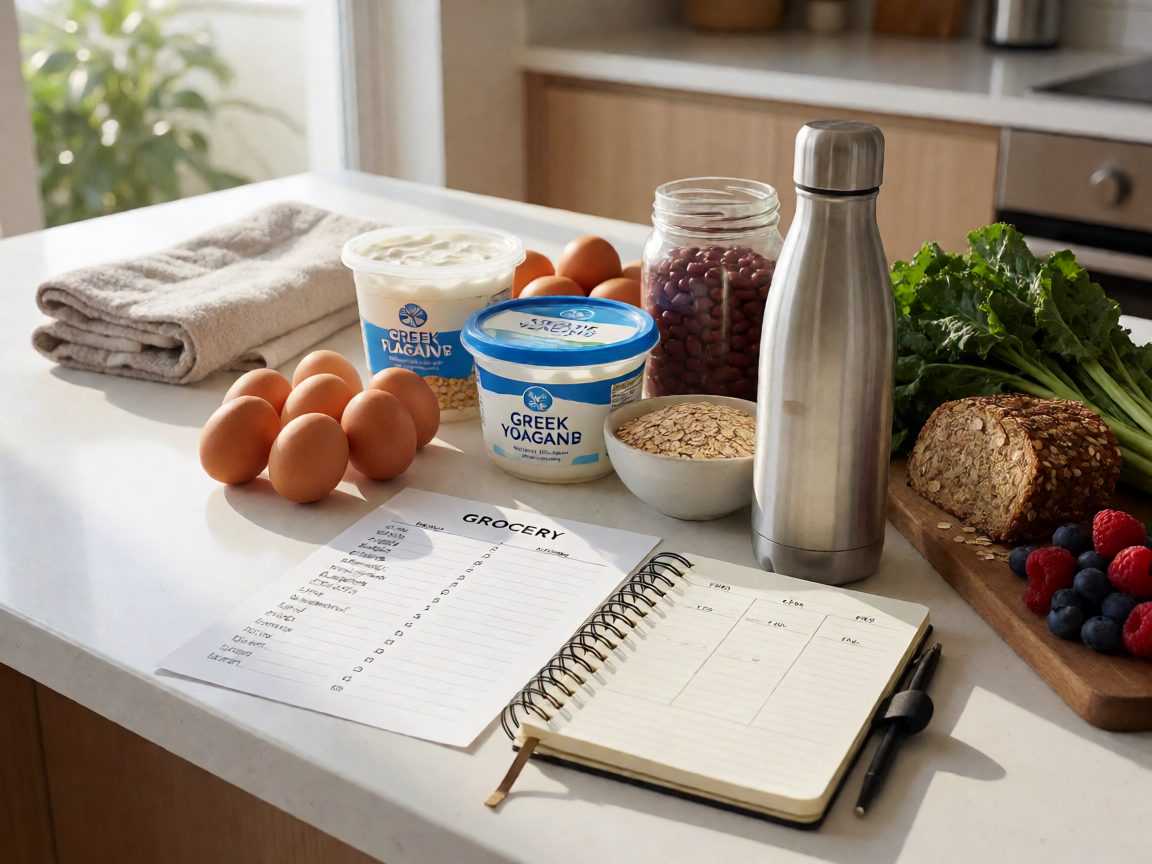
Use a four-box shopping worksheet
Draw four boxes on paper or in a notes app. Label them “protein,” “plants and fiber,” “staples,” and “backups.” Add only the items needed for the next seven days. Under each item, write a quantity and a meal.
Box 1: Protein
Choose two or three main protein options and one quick option. A beginner might choose eggs, chicken or tofu, Greek yogurt, and beans. This gives variety without requiring a different recipe every day. If you use a powder or bar, check the serving size and ingredients and treat it as a convenience item rather than the foundation of every meal.
Box 2: Plants and fiber
Choose two fruits, two fresh vegetables, one leafy green, and one frozen vegetable. Add beans, lentils, oats, or whole grains. Frozen produce counts as a practical choice and can reduce waste. If your current fiber intake is low, increase high-fiber foods gradually and drink fluids regularly to support comfort.
Box 3: Staples
List the foods that turn ingredients into meals: rice, potatoes, oats, whole-grain bread, tortillas, olive oil, spices, and a sauce. Staples should reflect how you cook. Buying a whole grain you never prepare is less useful than buying the form you can make on a busy night.
Box 4: Backups
Pick two quick options for the days when cooking fails: canned beans with microwave rice, eggs with toast, frozen vegetables with tofu, or yogurt with fruit and oats. Backups protect the routine without requiring motivation at the end of a long day.
Plan quantities without overcomplicating portions
Start with the number of planned eating occasions rather than a strict calorie calculation. If you need four breakfasts, four lunches, three dinners, and five snacks, assign a protein anchor to each occasion. Then buy enough for those uses. For produce, estimate by pieces or handfuls; for grains, use the package serving information; for meat, fish, tofu, beans, and yogurt, use the serving size that fits your household.
People training at different levels may have different energy and protein needs. A registered dietitian or qualified sports nutrition professional can help you set a personalized target. This article intentionally avoids a universal gram goal because body size, age, training volume, dietary pattern, and health history all matter.
Make the list support the training week
Place the more perishable foods earlier in the week. Use sturdy produce and frozen foods later. If you train after work, plan a portable snack or a ready-to-assemble dinner. If you train in the morning, keep breakfast ingredients visible and easy to combine. The best timing is the timing you can repeat; there is no need to make a grocery list revolve around a narrow “anabolic window.”
Use a simple preparation block once or twice a week:
- Cook one grain or potato option.
- Wash and portion two fruits and two vegetables.
- Prepare one protein batch, such as eggs, tofu, chicken, lentils, or beans.
- Place three snack combinations in visible, ready-to-grab locations.
- Write the next shopping list while you still remember what was missing.
Budget and food-waste checks
Compare cost per serving rather than package price. Beans, lentils, eggs, oats, frozen vegetables, and plain yogurt can be useful budget anchors, while specialty products are optional. Buy family-size packages only when you can freeze or use them before quality drops. A half-used sauce or grain is a signal to plan a second meal around it.
At the end of the week, mark each item as “used,” “partly used,” or “unused.” Do not treat unused food as a personal failure. Adjust quantities, storage, or meal placement. If berries repeatedly spoil, buy frozen berries. If leafy greens disappear quickly, buy a larger bag or plan them for the first two meals.
A printable 10-minute routine
- Open your calendar and count the days you will cook at home.
- Choose three protein anchors and three high-fiber staples.
- Choose two fruits, three vegetables, and one frozen produce option.
- Write four quick backups for busy days.
- Assign every item to at least one meal.
- Check your pantry before adding duplicates.
- Shop, then place the first two meals on the calendar.
You can pair this worksheet with our fiber reminder generator for a simple daily cue, or review the food noise journal template if you want to notice patterns without judging them. For a broader food reference, use the Protein and Fiber Foods hub.
When a professional can improve the plan
Ask a qualified clinician or dietitian for individual support if you have a diagnosed medical condition, food allergy, history of disordered eating, swallowing difficulty, kidney disease, diabetes care needs, or a training goal that requires precise fueling. Stop and seek medical advice for concerning or persistent symptoms. A grocery list can organize choices, but it cannot diagnose a problem or replace care.
A grocery list generator for strength training beginners works best when it reduces decisions rather than adding rules. Choose foods you can prepare, assign them to real meals, keep two backups, and revise the list from actual experience. That process builds a practical food routine that can grow with your training.