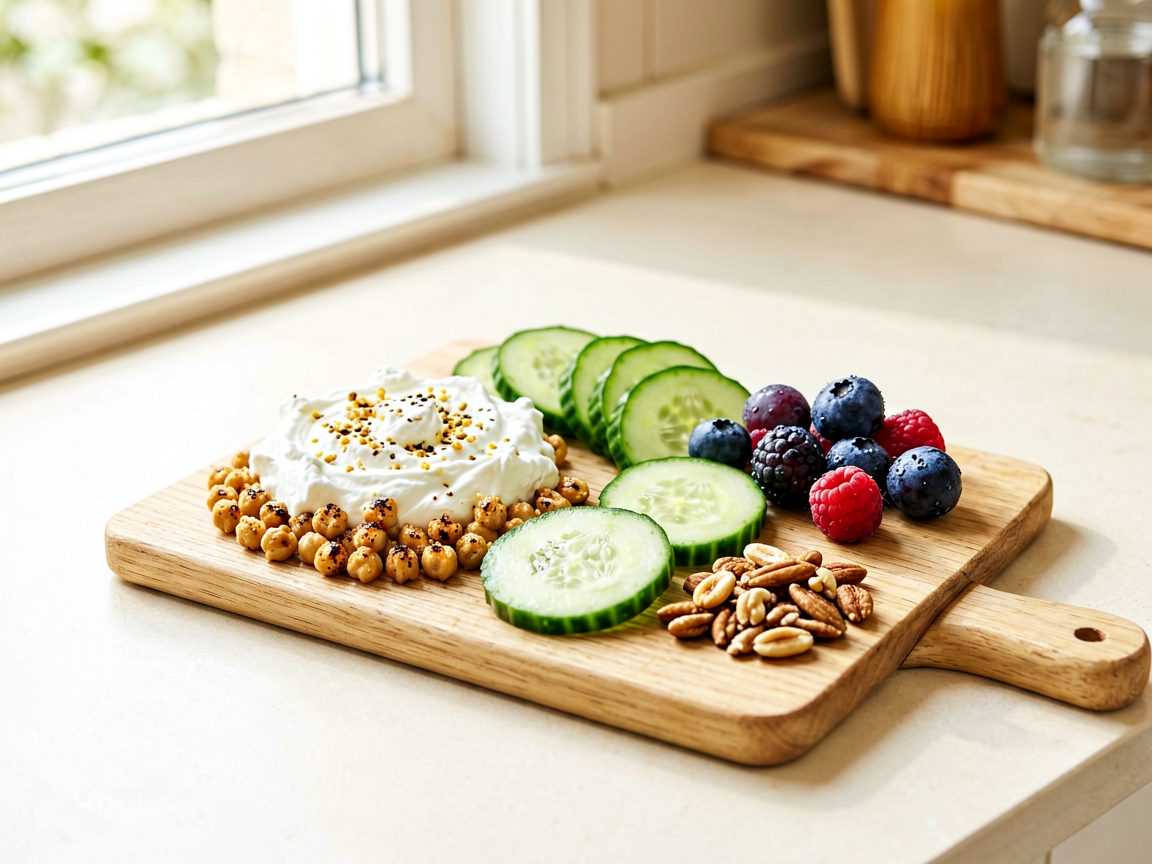
Practical vegetarian work lunch ideas for people using Ozempic, with protein, fiber, portion flexibility, packing tips, and clear medical boundaries.
Work Lunches for Vegetarians on Ozempic: Protein, Fiber, and Simple Packing
Quick answer: Work lunches for vegetarians on Ozempic are easiest to repeat when they use a modest portion of a protein anchor, a comfortable fiber source, a flavorful vegetable, and a packing plan that protects texture. Think lentil soup with Greek yogurt, tofu and roasted vegetables, eggs with a bean salad, or cottage cheese with whole-grain crackers and fruit. Portion size should be flexible because appetite, tolerance, schedule, and medical context vary. This is general food and meal-planning education, not dosing advice, a prescription, or a promise of weight loss.
Ozempic is a prescription medicine, so medicine-specific questions belong with the prescribing clinician or pharmacist. The FDA prescribing information describes gastrointestinal reactions and warns about dehydration-related kidney problems when nausea, vomiting, or diarrhea persist. A lunch plan cannot diagnose a symptom or replace professional care. It can, however, make ordinary food decisions less stressful: choose foods you already tolerate, pack a smaller starting portion, keep fluids available within your usual plan, and leave room to add more if the meal feels comfortable.
For the site-wide context, visit the GLP-1 Nutrition hub. The goal here is narrower: make a vegetarian work lunch that is portable, protein-aware, fiber-aware, and realistic for a busy day.
| Lunch job | Practical starting point | What to check |
|---|---|---|
| Protein anchor | Tofu, tempeh, eggs, Greek yogurt, cottage cheese, edamame, lentils, or beans | Texture, portion, allergens, and whether you enjoy it cold or reheated |
| Fiber support | Vegetables, fruit, beans, lentils, oats, whole grains, or seeds | Add gradually if a larger fiber serving is unfamiliar |
| Comfort | Soft, moist, lightly seasoned foods when that feels easier | Keep sauces separate and avoid forcing a food that feels difficult |
| Portability | Leak-resistant container, ice pack, fork, and a small backup | Food safety, refrigeration, and the time available to eat |
Start with the lunch job, not a perfect menu
A work lunch has several jobs at once. It needs to be safe to carry, pleasant enough to eat, substantial enough for the afternoon, and simple enough to prepare again. A good vegetarian lunch does not need to contain every nutrient in one container. It needs a clear anchor and a few supporting parts. This distinction is useful when appetite is reduced or the day is unpredictable. You can pack half of the usual portion, eat slowly, and keep the remaining component for later only if storage conditions allow.
Write the lunch job in one sentence before shopping: “I need a quiet, portable meal that gives me a protein option, a comfortable plant food, and a simple fallback.” This prevents the common mistake of buying an impressive ingredient that does not fit the office, the microwave, the commute, or your appetite. It also makes substitutions easier. If tofu is unavailable, eggs or Greek yogurt may fill the protein role. If a raw salad is unappealing, cooked vegetables or soup may be more practical.
Use a three-part build. First choose the protein anchor. Next add one or two vegetables, fruit, legumes, or whole-grain foods that provide color, texture, or fiber. Finally add a small flavor component such as lemon, herbs, salsa, yogurt sauce, or a measured dressing. The last part matters because a lunch that tastes flat is unlikely to become a dependable routine. Keep wet ingredients separate when crispness matters.
Vegetarian protein anchors that pack well
Tofu and tempeh are versatile because they can be baked, pan-seared, or added to a warm grain-and-vegetable bowl. Use a familiar seasoning and cut the pieces small enough to eat comfortably. Edamame can be added to a rice bowl, soba salad, or vegetable soup. Eggs can become a simple egg-and-vegetable box or a sandwich filling, provided they are chilled and handled safely. Plain Greek yogurt or cottage cheese can work with fruit and seeds, or as a cool side for a savory bowl.
Lentils and beans bring both plant protein and fiber, but a large serving may feel different from a small one. Try a modest portion of lentil soup, mashed beans on toast, or chickpeas mixed into a grain salad. Rinse canned beans when that suits your taste and label needs, then keep the dressing light enough that the texture remains pleasant. If beans are new to your current routine, change one variable at a time so you can notice what works for you.
Four lunch formulas for a busy workday
1. Lentil and yogurt lunch box
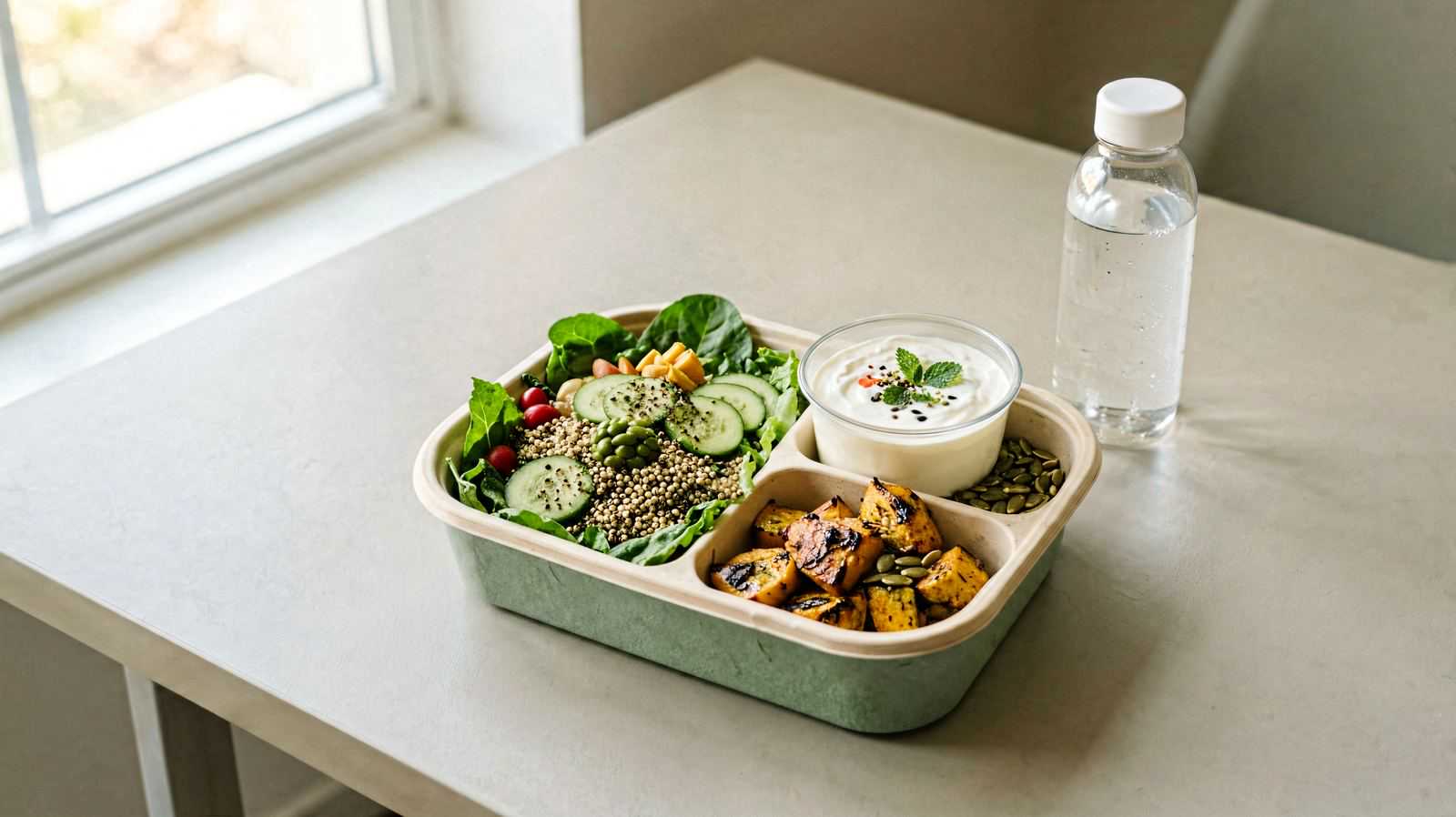
Pack a small serving of lentils with chopped cucumber or roasted vegetables, a spoonful of plain Greek yogurt, and herbs or lemon. Add a few whole-grain crackers or a small piece of fruit if that fits your usual eating pattern. Keep the yogurt separate if you prefer a firmer texture. This formula is useful because the lentils and yogurt can be adjusted independently. On a lower-appetite day, start with the yogurt and a few vegetables; on a more active day, add the planned companion that feels comfortable.
2. Tofu and roasted vegetable bowl
Combine baked tofu with roasted zucchini, carrots, mushrooms, or greens. Use a small amount of rice, quinoa, or another grain if it works for you, then add a light sauce after reheating. The bowl can be eaten warm or at room temperature, but check the storage and reheating instructions for the foods you use. Pack the components separately when a soggy texture would make the lunch less appealing. A little acid, such as lemon or vinegar, can make a simple bowl taste finished without requiring a heavy dressing.
3. Egg, bean, and produce box
Build a box with a hard-cooked egg, a small bean salad, cherry tomatoes or cooked vegetables, and fruit. This format is easy to portion before leaving home and does not depend on a microwave. Use a cold pack and follow current food-safety guidance for eggs and other perishable foods. If chewing feels difficult, swap the raw vegetables for a softer cooked option or choose a soup on that day. The point is not to force one format; it is to keep the protein-and-produce structure available.
4. Cottage cheese or yogurt snack-style lunch
For a day when a large bowl feels unappealing, divide lunch into two small containers: cottage cheese or Greek yogurt in one, and fruit, oats, seeds, or whole-grain toast in the other. Add cinnamon, berries, or a savory herb mix according to preference. This is a meal pattern, not a recommendation to eat as little as possible. If you remain hungry, use the prepared companion rather than turning the plan into an unplanned search for food. If you have dairy allergies or avoid dairy, use a suitable alternative with a label you understand.
How to prepare lunches without overbuilding the week
Prepare two anchors and two supporting foods rather than five complete recipes. For example, bake tofu, cook lentils, roast one sheet of vegetables, and wash fruit. Store components in shallow containers and write the preparation date on them. Pack only the amount you expect to use during the workday, then keep a shelf-stable backup such as plain crackers or a labeled snack only when it fits your dietary and medical needs. Do not stretch a perishable food beyond the storage time recommended by current food-safety guidance.
Keep portions flexible without using food as a test of discipline. A smaller container can reduce pressure on a day when appetite is lower. A second container can provide an option if hunger returns later. If nausea, vomiting, diarrhea, persistent abdominal symptoms, or inability to keep fluids down is a concern, stop treating lunch planning as the solution and contact an appropriate healthcare professional. The FDA notes that persistent gastrointestinal reactions can contribute to dehydration and related risks.
Common mistakes and calmer replacements
- Making every lunch a huge salad: Use cooked vegetables, soup, fruit, or a smaller salad when raw volume is not comfortable.
- Chasing a high number on one label: Compare the whole lunch, the actual serving, texture, sodium, sweeteners, allergens, and how repeatable the product is.
- Adding several fiber foods at once: Start with one familiar source and notice tolerance before changing the entire meal.
- Ignoring the office setting: Choose a no-microwave option, a leak-resistant container, or an insulated bag when the workplace requires it.
- Treating leftovers as automatically safe: Cool, store, transport, and reheat foods according to current food-safety guidance rather than relying on smell alone.
It is also easy to confuse a food plan with medication management. A work lunch cannot tell you whether a medicine is working, whether a symptom is expected, or whether a prescription should change. Do not alter, stop, restart, or share a prescription based on an article. For product and medication questions, use the current FDA information and ask your clinician or pharmacist.
A simple weekly review
After three or four lunches, review the pattern rather than judging one meal. Ask: Was the food available when I needed it? Did the protein anchor taste good enough to repeat? Was the fiber portion comfortable? Did the container protect the texture? Did I have enough time to eat? Which ingredient created friction? Write down one change for next week, such as using softer vegetables, separating the dressing, buying smaller yogurt cups, or preparing a non-microwave backup.
Keep a second plan for travel, meetings, or a missed grocery trip. The fallback might be a chilled yogurt and fruit combination, a tofu snack box from a place with clear ingredients, or a simple soup with a suitable side. The fallback should not be a punishment meal. It is a way to preserve the lunch structure when the original recipe is unavailable.
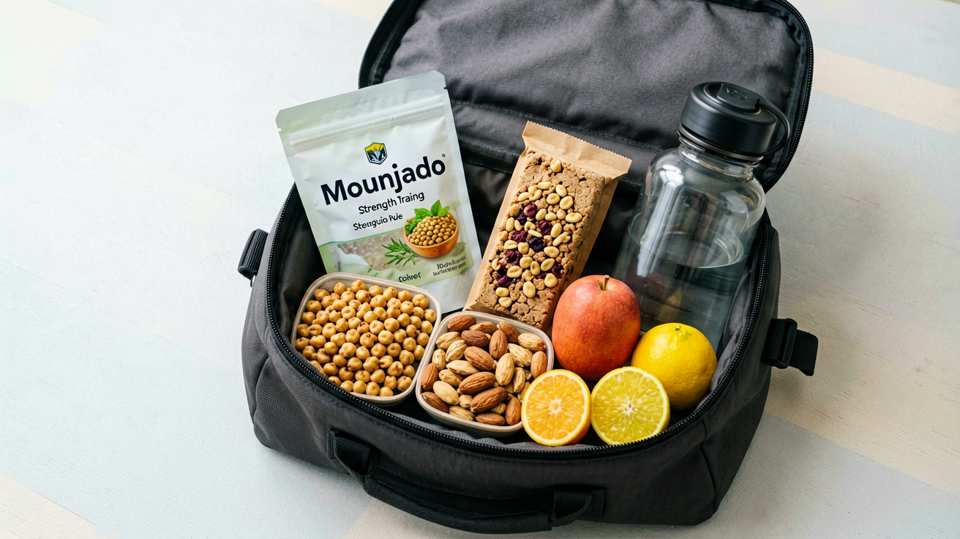
For related planning, use the protein, fiber, and meal-planning tools, read the meal-prep guide for people in menopause on GLP-1, or review portable snacks for strength-training beginners on Mounjaro. You can also compare the vegetarian snack guide for people using semaglutide when you need smaller eating occasions.
Frequently asked questions
What is a good first vegetarian work lunch on Ozempic?
Start with a food you already tolerate, such as a modest lentil soup with yogurt, tofu with cooked vegetables, eggs with a small bean salad, or Greek yogurt with fruit and seeds. Keep the portion flexible and use a container that makes the amount visible without requiring you to finish everything.
Should every lunch contain a specific amount of protein?
There is no single number that is appropriate for every person or situation. A consistent protein food can be a useful planning anchor, but medical conditions, appetite, dietary preferences, and clinician advice matter. Use labels for comparison, not as a promise of a specific result.
Are beans and lentils too high in fiber?
Not automatically. They can be nutritious foods, but tolerance differs. Try a smaller serving, choose a softer preparation, and change one variable at a time. Persistent or severe digestive symptoms deserve professional attention rather than a more aggressive food experiment.
Can I meal prep five lunches at once?
You can prepare components in advance, but the safest storage window depends on the foods, temperature, containers, and local guidance. Many people find it more practical to prepare two or three anchors, keep wet ingredients separate, and assemble lunches as needed.
Sources and boundaries
This article stays within vegetarian food selection, packing, label reading, and practical meal support. For medication-specific safety information, review the FDA prescribing information for Ozempic and speak with a qualified clinician or pharmacist. Do not use this page to change a prescription, diagnose a symptom, or replace individualized nutrition care. Read the Editorial policy and Disclaimer for the site's review standards and limits.
Editorial note: Protein & Fiber Lab provides general education. Food tolerance, medical history, medicines, allergies, and nutrition needs vary. Seek prompt professional help for severe or persistent symptoms, inability to keep fluids down, signs of dehydration, severe abdominal pain, or other urgent concerns.