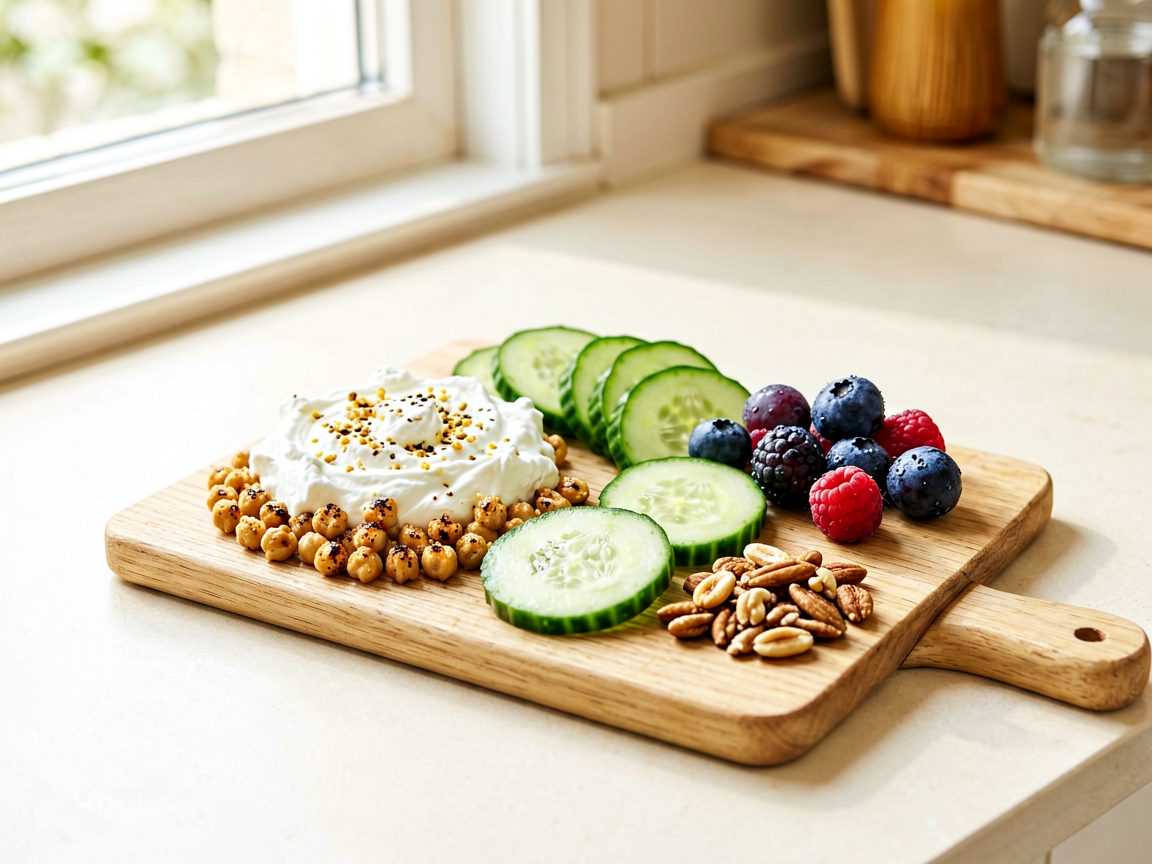
Build practical work lunches for people with PCOS on tirzepatide with protein, fiber, flexible portions, food safety, and cautious medical boundaries.
Work lunches for people with PCOS on tirzepatide are easiest to manage when they are modular, moderate in size, and built around a protein anchor, a fiber-rich carbohydrate, and produce. There is no single PCOS lunch and no medication-specific menu that works for everyone. A practical work lunch gives you options: a smaller portion if appetite is low, a softer or simpler choice if your stomach feels unsettled, and enough protein and fiber to make the meal useful without becoming heavy.
Tirzepatide is a prescription medicine, so food planning should complement—not replace—your prescriber’s instructions. The current FDA Mounjaro prescribing information lists nausea, diarrhea, decreased appetite, vomiting, constipation, indigestion, and abdominal pain among common adverse reactions. This article does not provide dosing, medication changes, or treatment advice. Contact your clinician for persistent, severe, or concerning symptoms, and ask how to adapt food and fluids to your own health history.
A simple work-lunch formula
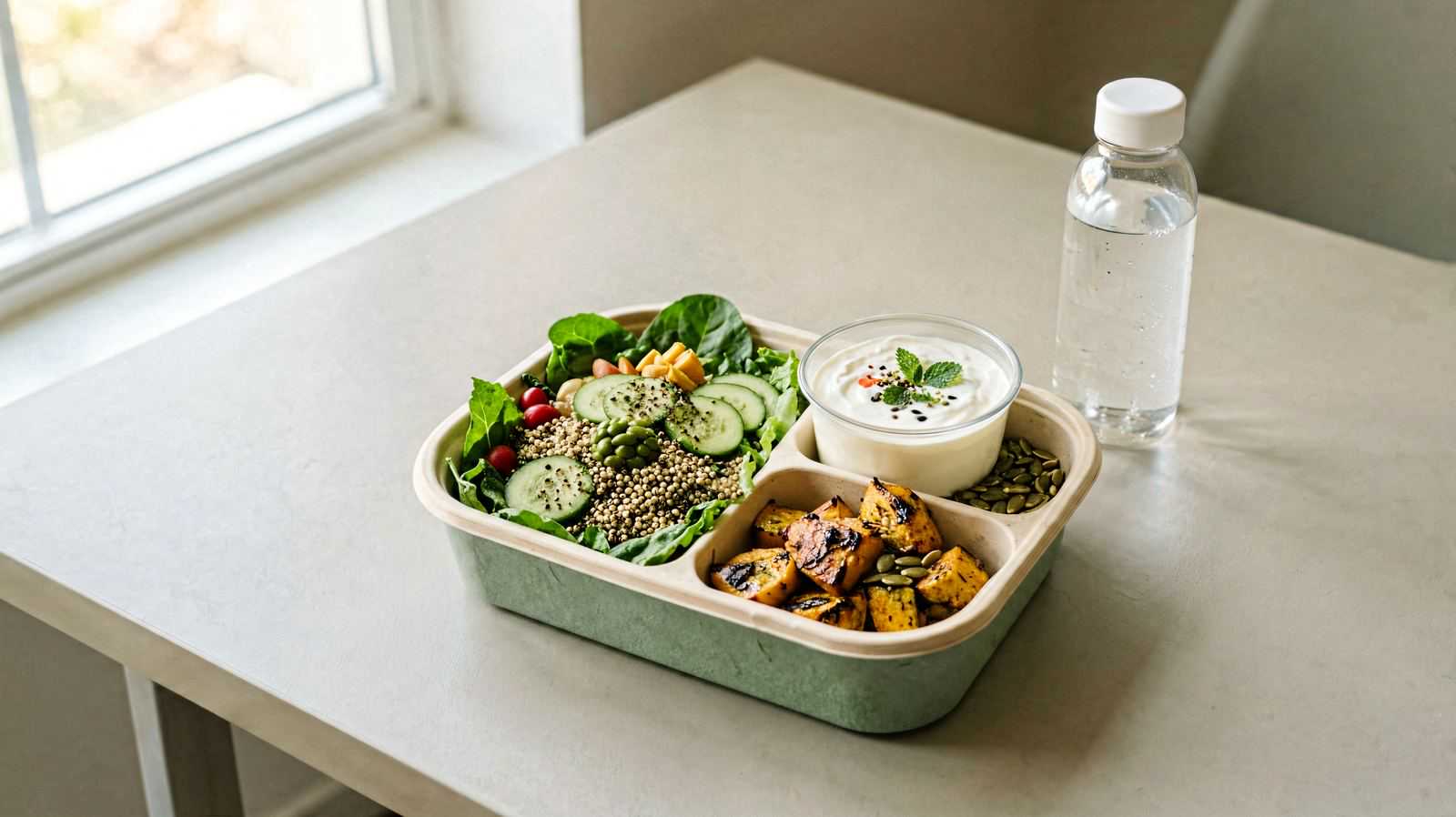
Use a three-part container:
- Protein anchor: lentils, tofu, tempeh, eggs, Greek yogurt, chicken, fish, cottage cheese, or another food you tolerate.
- Fiber-rich carbohydrate: beans, lentils, quinoa, oats, brown rice, potatoes with skin, fruit, or a whole-grain wrap.
- Produce and flavor: cooked vegetables, leafy greens, berries, herbs, lemon, salsa, or a yogurt-based dressing.
Then add a comfort check. If a full container feels too large, pack the same ingredients in two small containers and decide at lunch whether to eat both. If rich dressings or very spicy foods do not feel good, keep seasoning simple and add flavor with lemon, herbs, or a small amount of salsa.
Five practical lunch ideas
1. Lentil and quinoa salad box
Combine cooked lentils, quinoa, cucumber, roasted peppers, parsley, and a small portion of feta or plain yogurt dressing. Keep the dressing separate so the texture stays fresh. Pack a clementine or berries if fruit is convenient.
Lentils and quinoa make the bowl more substantial than vegetables alone, while the vegetables add color and texture. If legumes are not a regular part of your diet, start with a smaller portion and increase gradually based on comfort. You can swap quinoa for a potato or a whole-grain pita.
2. Tofu and roasted vegetable wrap
Fill a whole-grain wrap with baked tofu, roasted zucchini, carrots, greens, and a thin spread of hummus. Use a smaller wrap if large lunches are difficult. Cut it into pinwheels so you can eat slowly during a busy workday.
To keep the wrap from becoming soggy, cool the vegetables before packing and put hummus in a small container for dipping. If soy is not suitable for you, use eggs, chicken, or a bean patty instead.
3. Chicken, potato, and green-bean lunch
Pack sliced chicken or another lean protein with roasted potatoes, green beans, and a lemon-herb sauce. This is a useful leftover lunch because each component can be portioned separately. A few olives or a spoonful of yogurt sauce can add flavor without requiring a heavy dressing.
Potatoes are not automatically a poor choice. The portion, preparation, and overall meal matter. Leaving the skin on when it is clean and comfortable can add texture and some fiber, while roasting with a moderate amount of oil keeps the meal simple.
4. Egg and bean snack-lunch
For days when a full meal is unappealing, pack two small boxes: one with a boiled egg, white beans, and cherry tomatoes, and one with fruit or whole-grain crackers. Eat the first box slowly and save the second if you are satisfied.
This format can be easier to tolerate than a large mixed salad. Use a plain seasoning blend, and keep a water bottle nearby. If eggs or beans are not part of your eating pattern, substitute tofu, yogurt, or another familiar protein.
5. Salmon or chickpea grain bowl
Build a bowl with brown rice or farro, salmon or chickpeas, cooked spinach, cucumber, and a small amount of avocado. Add lemon and dill rather than a large creamy sauce. A half portion can be packed first, with extra ingredients in a second container.
For a vegetarian version, use chickpeas or baked tofu and add pumpkin seeds for crunch. For a vegan version, use tahini diluted with lemon and water, but keep the amount modest if high-fat foods feel uncomfortable.
Lunch comparison guide
| Lunch | Protein anchor | Fiber-rich element | Best packing feature | Easy adjustment |
|---|---|---|---|---|
| Lentil-quinoa salad | Lentils, yogurt or feta | Lentils, vegetables, quinoa | Dressing stays separate | Use less grain or legumes |
| Tofu vegetable wrap | Tofu or hummus | Whole-grain wrap, vegetables | Easy to cut into small pieces | Use a smaller wrap |
| Chicken potato box | Chicken or fish | Potato skin, green beans | Components are visible | Pack half first |
| Egg and bean boxes | Egg, beans or tofu | Beans, tomatoes, fruit | Two small portions | Save the second box |
| Salmon grain bowl | Salmon, chickpeas or tofu | Grain, spinach, vegetables | Works as leftovers | Choose cooked vegetables |
PCOS-friendly planning without miracle claims
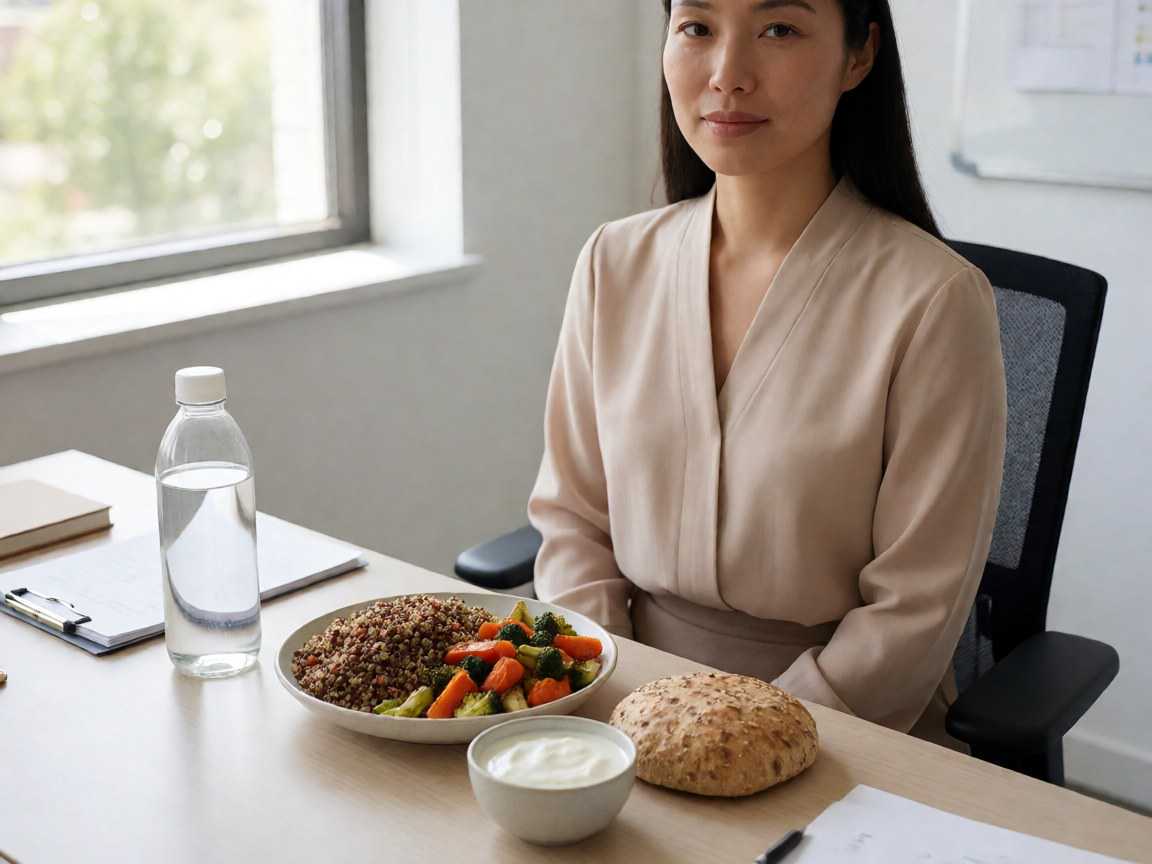
PCOS can affect people differently, and a lunch cannot treat the underlying condition by itself. A calm approach is to look for meals that are satisfying, affordable, culturally familiar, and compatible with your clinician’s advice. Include protein and plants when you can, but do not turn one missed vegetable or one convenience lunch into a failure.
Some people prefer meals with a lower glycemic load, more unsaturated fat, or fewer highly sweetened foods; others need a different structure because of allergies, digestive symptoms, budget, or cultural preferences. Instead of copying a rigid “PCOS diet,” track how a lunch affects your energy, hunger, comfort, and ability to work. Bring those observations to a clinician or registered dietitian if you want individualized support.
Fiber is useful in a broad eating pattern, but a sudden increase can be uncomfortable. Start with a familiar portion, spread fiber-containing foods across meals, and follow your usual hydration needs. If you are dealing with persistent constipation, vomiting, severe abdominal pain, dehydration symptoms, or another concerning change while taking a medicine, seek medical guidance rather than attempting to solve it with more fiber.
How to pack for appetite changes
- Pack a first portion: use a smaller container and keep extra food separate.
- Keep textures flexible: choose cooked vegetables, soups, yogurt, or soft grains if crunchy foods are not appealing.
- Separate strong flavors: keep sauces, onions, spicy condiments, and pickles on the side.
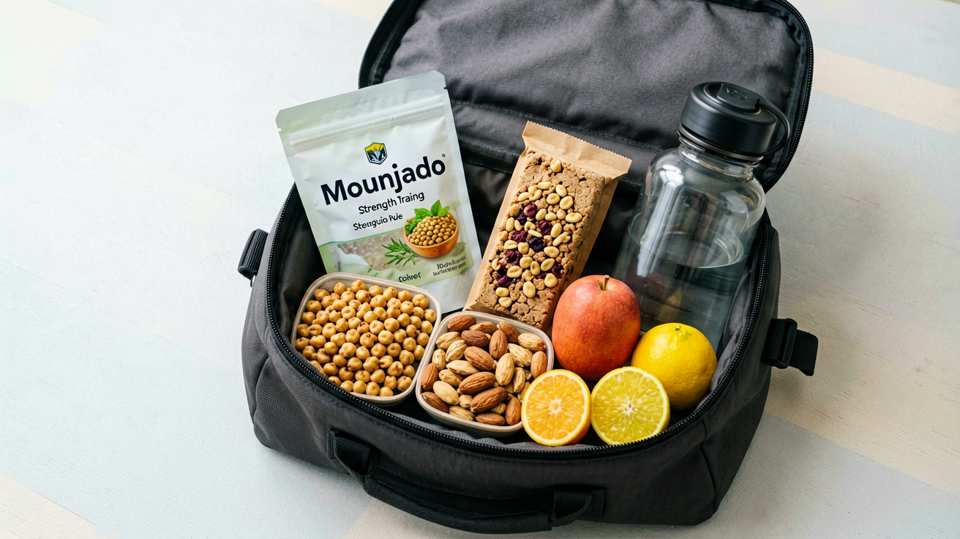
- Bring a backup: plain yogurt, a boiled egg, tofu, fruit, or a simple sandwich can be easier than skipping lunch entirely.
- Respect food safety: use an insulated lunch bag and cold pack when required, and follow local food-safety guidance for leftovers.
The aim is not to force a large meal. It is to make a reasonable option available and let your appetite and medical guidance inform the portion.
A five-minute Sunday prep system
Choose two proteins, two fiber-rich carbohydrates, and three vegetables for the workweek. For example, use tofu and eggs, lentils and potatoes, and roasted peppers, greens, and green beans. Cook only what you can use safely, then assemble lunches from the same components in different formats.
Monday can be a bowl, Tuesday a wrap, Wednesday two small boxes, Thursday a soup with a protein side, and Friday leftovers. This rotation reduces decision fatigue without making every day identical. Write the lunch idea on a small note so you know what needs to be packed the night before.
For related planning, see the GLP-1 nutrition hub, the meal-prep framework, and the travel snack guide. The vegetarian snack guide offers more small-portion ideas. A meal tracker can help you note which lunches were comfortable and repeatable.
Frequently asked questions
Do people with PCOS need a special lunch when taking tirzepatide?
There is no universal lunch prescription in this article. Choose foods that fit your clinician’s guidance, preferences, allergies, cultural habits, and appetite. A protein-and-fiber structure is a planning option, not a treatment claim.
What if I cannot finish lunch?
Pack a smaller first portion and keep the rest separate. Eating slowly and saving food for later may be more practical than forcing a large serving. Follow food-safety guidance for storage.
Should I avoid all carbohydrates?
No blanket rule is given here. Beans, lentils, fruit, potatoes, oats, quinoa, and whole grains can all fit into different eating patterns. If you have blood-glucose goals or another medical reason to adjust carbohydrates, ask your clinician or dietitian for personal guidance.
When should I call my clinician?
Ask for medical advice about persistent or severe vomiting, diarrhea, constipation, abdominal pain, dehydration symptoms, or any symptom that worries you. Do not change or stop a prescription based on an online meal plan.
Bottom line: The best work lunches for people with PCOS on tirzepatide are flexible rather than extreme. Pack a modest protein-and-fiber meal, separate the components, keep a backup option, and use your own comfort and clinical guidance to decide what to repeat.
General nutrition information only. This article is not medical advice. See our editorial policy and health disclaimer.