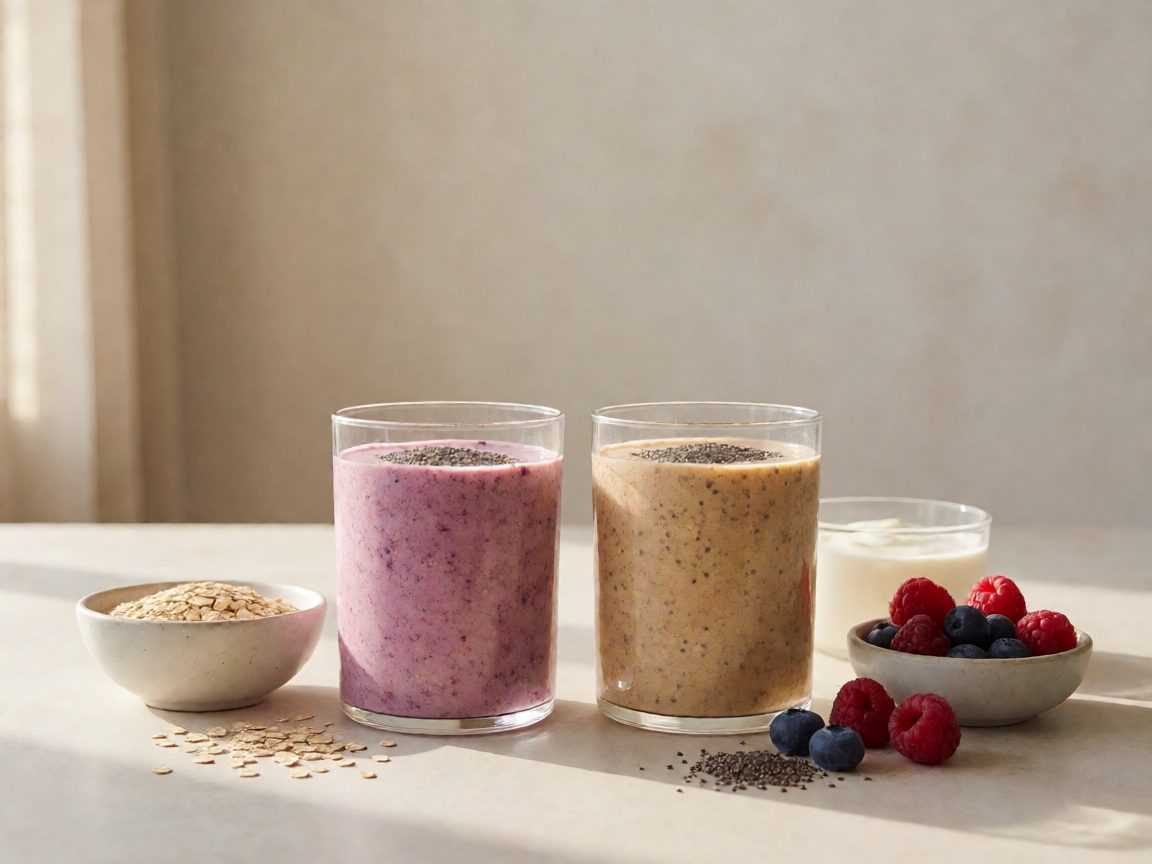
Soft, practical protein-rich high-fiber dessert ideas for older adults, including yogurt, tofu, oats, fruit, texture adjustments, label tips, and safety boundaries.
Protein rich high fiber desserts for older adults can be simple, soft, and familiar rather than complicated “fitness” recipes. Good options include a Greek yogurt berry cup with chia, a cottage-cheese oat bake, a tofu-cocoa pudding, baked apples with walnuts, or a small bean-and-cocoa brownie made with less added sugar. The practical idea is to make dessert do a little more nutritional work while keeping the portion comfortable and the texture enjoyable.
These foods are not treatments for aging, diabetes, constipation, or any other condition. Protein needs, fiber tolerance, swallowing safety, kidney health, dental comfort, and blood sugar management vary. Use this guide for general meal planning, and ask a qualified clinician or dietitian for individualized advice when a medical condition affects food choices.
Why pair protein and fiber in a dessert?
Protein and fiber come from different food groups and serve different purposes. Protein-containing ingredients can make a small dessert more satisfying and help diversify the day’s food choices. Fiber is found in plant foods such as fruit, oats, beans, nuts, seeds, and some whole grains. A dessert that includes both may be more substantial than a sugary treat alone, but it is still dessert—not a substitute for varied meals.
Older adults may appreciate desserts that are easy to chew, easy to portion, and easy to store. Soft yogurt, baked fruit, blended tofu, and cooked oats are often more comfortable than very dry bars or sticky candy. If swallowing is difficult, do not rely on internet recipes; a speech-language pathologist or clinician can advise on safe textures.
NIDDK’s general healthy-eating guidance encourages nutrient-rich foods including fruits, vegetables, whole grains, beans, peas, nuts, seeds, dairy or suitable alternatives, and other protein foods. Those categories give us a useful recipe framework. For broader meal ideas, visit the Protein and Fiber Foods hub.
Five design rules for older-adult-friendly desserts
- Start with a small serving. A small bowl or ramekin makes the dessert easier to enjoy without creating an oversized portion.
- Choose a comfortable texture. Yogurt, custard-like oats, baked fruit, and soft puddings can be easier than hard or crumbly foods.
- Use familiar protein anchors. Greek yogurt, cottage cheese, milk, fortified soy beverage, tofu, eggs, and beans can work in sweet recipes.
- Add fiber gradually. Oats, berries, chia, flax, nuts, and beans are useful, but a sudden large increase may cause discomfort.
- Keep sweetness adjustable. Cinnamon, vanilla, citrus zest, berries, and cocoa can add flavor without making the recipe depend on a large amount of sugar.
1. Greek yogurt berry chia cup
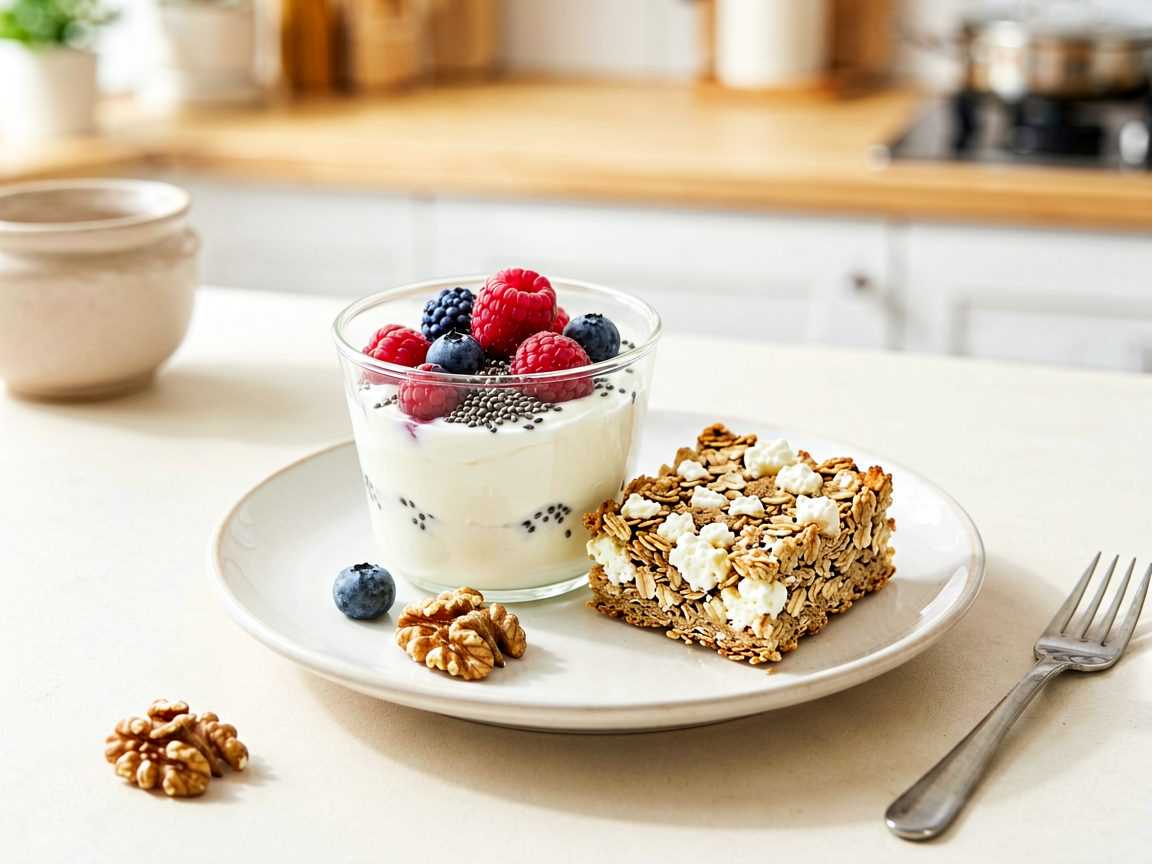
Layer plain Greek yogurt with thawed berries and a small amount of chia. Add cinnamon, vanilla, or lemon zest. Let the chia soften before eating if you prefer a smoother texture. The yogurt supplies a protein anchor, while berries and chia contribute plant foods and fiber. Choose a lactose-free yogurt if needed, and compare labels because protein and added sugar vary widely between products.
For a softer version, blend the berries first and swirl them through the yogurt. For more energy, add a spoon of oats or nut butter. If the portion feels too filling, make a half-size cup and save the rest safely in the refrigerator.
2. Cottage cheese oat bake
Blend cottage cheese with an egg, oats, cinnamon, and mashed banana, then bake in a small dish until set. The result is a soft square that can be served warm or chilled. Use a low-sodium cottage cheese when appropriate. If you do not eat eggs, try a tested egg-free version with extra yogurt and a binder, recognizing that the texture may change.
Keep the added sweetener modest. Ripe banana, cinnamon, and vanilla can carry much of the flavor. Add berries after baking rather than mixing in a large amount of dried fruit, which can concentrate sweetness.
3. Tofu cocoa pudding
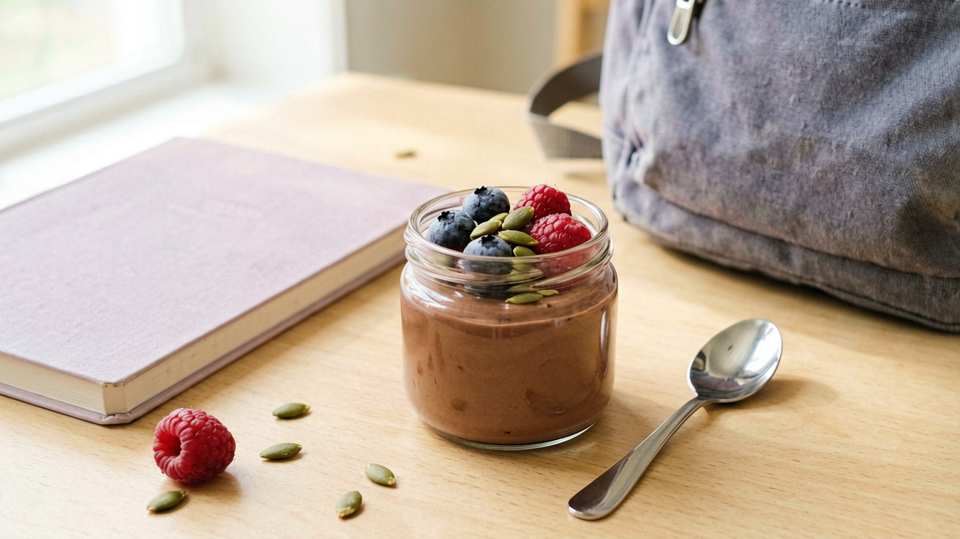
Blend silken tofu with unsweetened cocoa, milk or fortified soy beverage, vanilla, and a small amount of maple syrup if desired. Chill until thick. Tofu creates a smooth, spoonable texture and works well for people who avoid dairy. Check the tofu package and use a food-safe cold chain after preparation.
Top with sliced strawberries or a few crushed walnuts. If cocoa tastes bitter, use more vanilla or a small portion of banana rather than adding a lot of sugar. This dessert is best made in individual containers so the serving is clear.
4. Baked apple with walnut oat crumble
Core an apple, fill it with oats, chopped walnuts, cinnamon, and a spoonful of yogurt after baking. The fruit becomes soft and fragrant, while oats and walnuts add a little fiber and texture. For more protein, serve with Greek yogurt or a spoon of cottage cheese rather than increasing the crumble portion.
Older adults who have dental sensitivity may prefer finely chopped nuts or ground flax. Those with nut allergies can use pumpkin seeds if tolerated. The recipe can be made with a pear, but adjust baking time because fruits soften differently.
5. White bean cocoa snack cake
Pureed white beans can add moisture and a small amount of plant protein to a cocoa snack cake. Blend rinsed beans with egg, oats, cocoa, vanilla, and a measured sweetener, then bake until set. Use a tested recipe and make small squares. The beans should be fully pureed so there are no large pieces.
This is a useful example of a high-fiber dessert, not a reason to hide ingredients from someone. Explain what is in the recipe, especially when cooking for an older adult with allergies, digestive sensitivities, or food preferences. Serve with yogurt or fruit if a softer texture is preferred.
6. Warm cinnamon pear with ricotta
Poach or microwave pear slices with cinnamon and a splash of water, then spoon them over ricotta. Ricotta adds dairy protein and a creamy texture. Select a lower-sugar ricotta and adjust the portion to suit the meal. A few crushed oats can provide extra texture, but they are optional.
7. Frozen yogurt banana buttons
Slice banana, spread a thin layer of Greek yogurt on each piece, and freeze on a lined tray. Let the pieces soften briefly before eating. This can be refreshing, but very cold foods may not be comfortable for everyone. Add a sprinkle of ground flax or finely chopped nuts only if chewing is easy.
8. Soft oatmeal raisin custard
Cook oats with milk or fortified soy beverage until soft. Stir in a beaten egg while heating carefully, or serve with yogurt after cooling. Cinnamon, vanilla, and a small amount of raisins provide flavor. Because dried fruit is concentrated, use a small amount and consider fresh berries instead.
9. Strawberry yogurt mousse
Blend strawberries with Greek yogurt and fold in a small amount of whipped cottage cheese or soft tofu. Chill in a small glass. The recipe is naturally colorful and can be made without a heavy topping. Use a softer consistency if chewing is difficult.
10. Pumpkin yogurt bowl
Stir plain Greek yogurt with pumpkin puree, cinnamon, ginger, and vanilla. Add oats or ground chia after checking what texture is comfortable. Pumpkin gives the bowl a thick texture and a plant-based fiber contribution. Avoid turning it into a very sweet pie filling; the goal is a balanced dessert portion.
How to estimate portions without overcomplicating the recipe
Nutrition numbers depend on brands and serving sizes, so use package labels for exact values. A practical comparison table can still guide choices:
| Base | Protein role | Fiber partners | Texture notes |
|---|---|---|---|
| Greek yogurt | Easy dairy protein | Berries, chia, oats | Soft and spoonable |
| Silken tofu | Plant protein | Banana, berries, cocoa | Smooth when blended |
| Cottage cheese | Dairy protein | Oats, pear, berries | Blend for a smooth finish |
| Milk or soy beverage | Liquid protein | Oats, fruit, pumpkin | Useful for soft cooked desserts |
| Beans | Plant protein and fiber | Oats, cocoa, fruit | Puree fully for a cake or pudding |
If a person has been told to limit potassium, phosphorus, protein, fluids, sugar, or sodium, do not use this table to set portions. Ask the relevant healthcare professional for guidance. If appetite is low, a dietitian can help decide whether a dessert is an appropriate place to add nutrition.
Fiber and digestive comfort
More fiber is not automatically better. Increase high-fiber ingredients gradually, drink fluids according to your usual care plan, and observe comfort. Chia and flax absorb liquid; use them with enough moisture and avoid serving a dry spoonful. Beans, oats, fruit skins, and sugar alcohols may affect people differently.
Persistent constipation, diarrhea, pain, vomiting, swallowing difficulty, or unexplained weight change deserves medical attention rather than a recipe experiment. NIDDK provides general constipation information, but personal causes and treatments vary. If symptoms affect eating or hydration, contact a qualified clinician.
Shopping and prep checklist
Keep plain yogurt or fortified soy yogurt, cottage cheese or tofu, oats, berries, apples or pears, pumpkin, chia or ground flax, cinnamon, cocoa, and a small quantity of nuts or seeds. Prepare one recipe at a time, label containers with the date, and follow package storage directions. Freeze only foods that keep their texture after thawing.
For a printable planning approach, pair this article with the Tools hub and the high-protein pudding guide. The audience differs, but the same habits—small portions, readable labels, and adjustable texture—are useful.
Bottom line
Protein rich high fiber desserts for older adults can be built from yogurt, tofu, cottage cheese, milk or soy beverage, oats, fruit, seeds, nuts, pumpkin, and even pureed beans. Favor soft textures, modest portions, gradual fiber changes, and flavors that the person actually enjoys. Dessert can support a varied food routine, but it should fit the whole day and the individual’s medical and swallowing needs.
Sources and boundaries: General food guidance is informed by NIDDK healthy-eating guidance. Exact nutrition values vary by product and recipe. This article is educational and does not diagnose, prescribe, or replace individualized clinical advice.