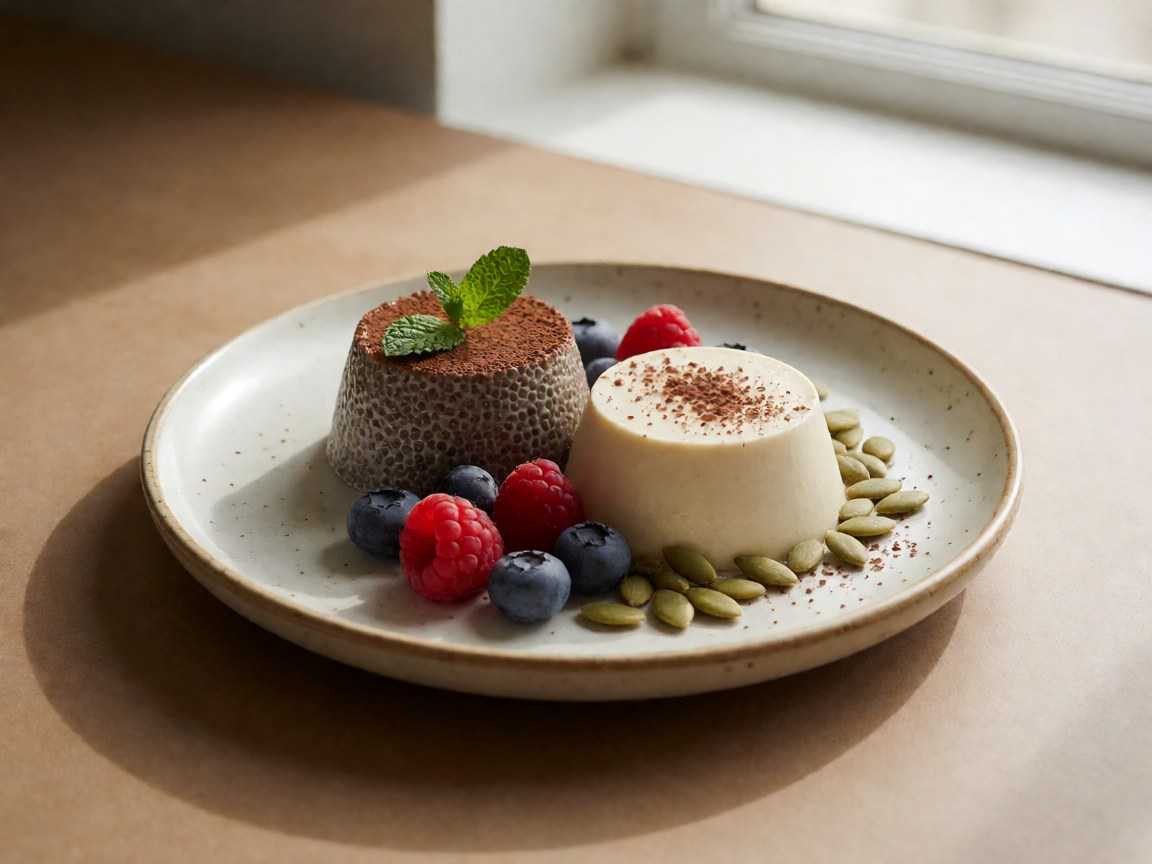
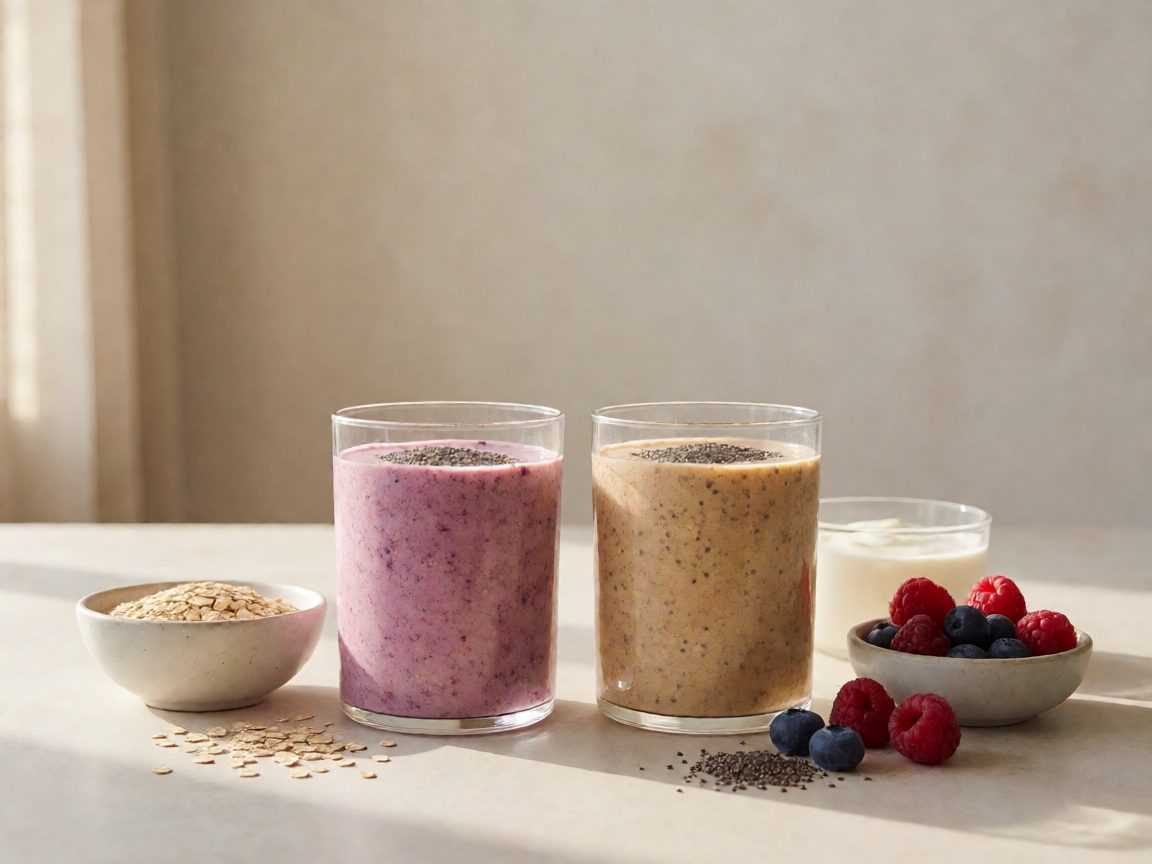
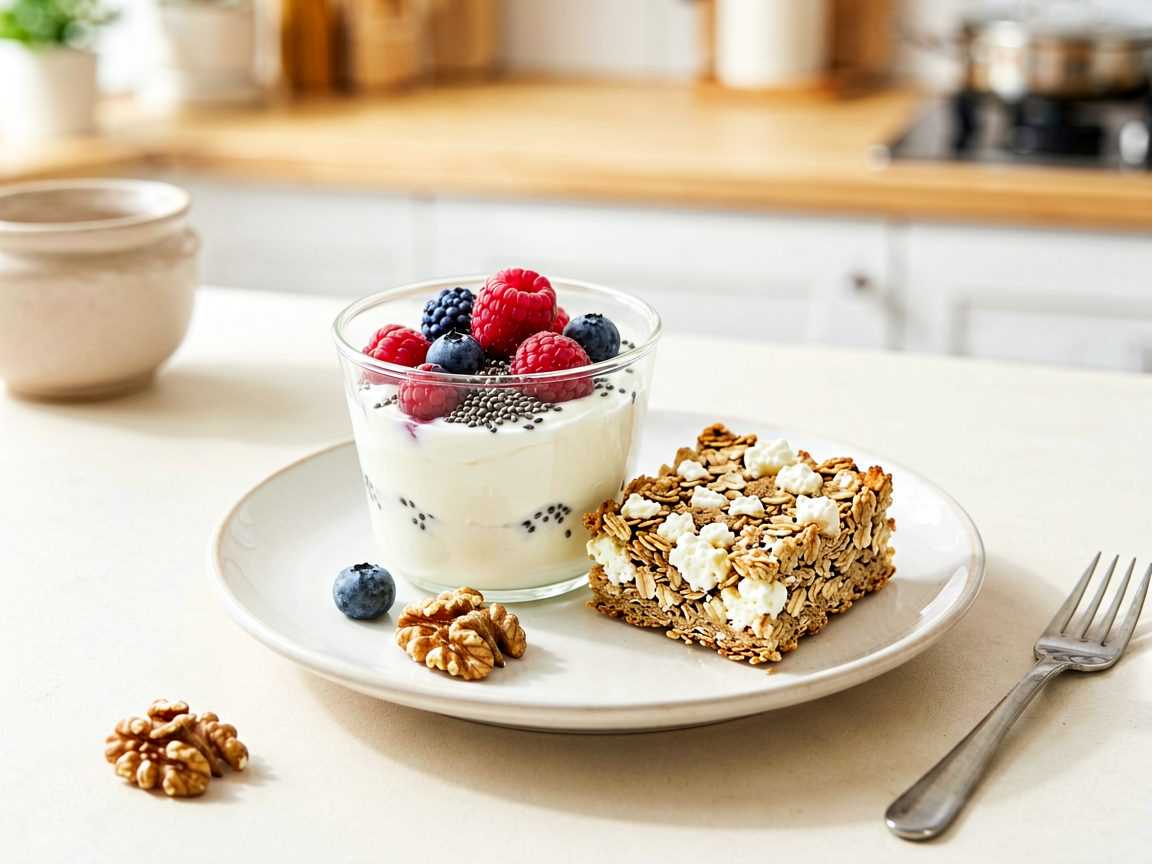
An affordable pudding-style snack template for college students using yogurt, cocoa, fruit, and optional seeds with flexible portions.
High protein low calorie pudding for college students can be made with a few affordable ingredients and no special equipment. Start with plain Greek yogurt or fortified soy yogurt, stir in unsweetened cocoa and cinnamon, and add berries or a small amount of banana for sweetness. Chia or pumpkin seeds can add fiber and texture, but they are optional. Portion the pudding in a small jar so it is easy to take to class, and check the product label because yogurt and toppings vary widely in calories, protein, sugar, and allergens. This is a flexible snack idea—not a requirement to restrict food or hit a specific calorie number.
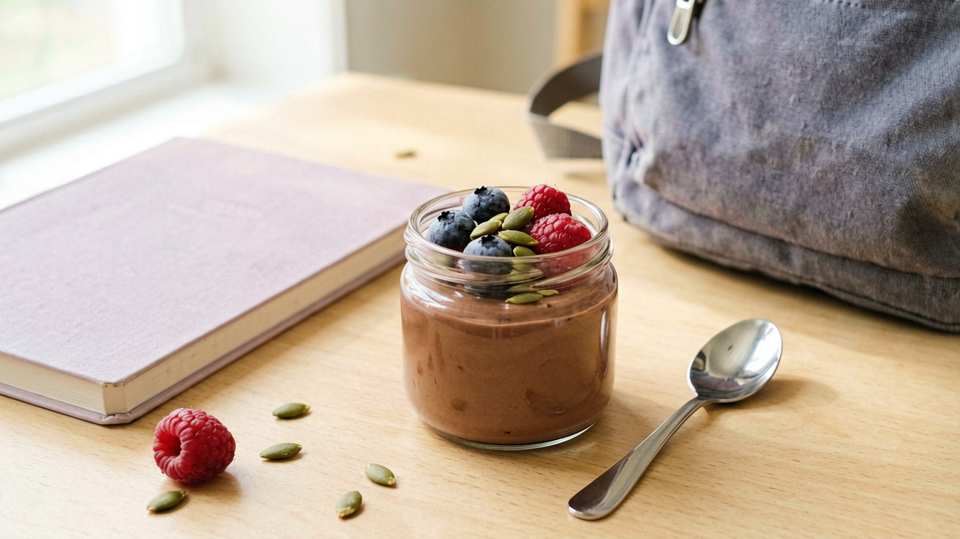
Base recipe
| Ingredient | Why it is here | Budget swap |
|---|---|---|
| Plain yogurt | Protein and creamy texture | Fortified soy yogurt or cottage cheese blended smooth |
| Unsweetened cocoa | Chocolate flavor without syrup | Cinnamon or vanilla |
| Berries or banana | Flavor and produce | Frozen fruit or unsweetened applesauce |
| Chia or pumpkin seeds | Optional fiber and crunch | Oats or ground flax |
Prep in a dorm or shared kitchen
Mix the base in a lidded container, chill it, and add crunchy toppings just before eating. If refrigeration is limited, choose a shelf-stable snack instead. People with allergies, lactose intolerance, diabetes, or digestive symptoms should use ingredients that fit their care plan and ask a qualified professional when needed.
Make it a meal when appropriate
Pair the pudding with a sandwich, eggs, beans, or another food if it is replacing a meal. A single snack does not need to carry every nutrient.
Explore the Protein & Fiber Lab hub, then use the protein, fiber, and meal-planning tools to turn this idea into a repeatable routine. You may also find weight-maintenance planning useful.
Related reading: high protein low sugar smoothies for busy professionals and high protein low sugar wraps for vegetarians.
References and boundaries: For general meal-planning context, see the National Institute on Aging meal-planning guidance. For medicine-specific questions, use FDA medicine information and speak with your clinician or pharmacist.