Make protein-rich high-fiber shakes for picky eaters with familiar flavors, flexible textures, simple ingredient swaps, and a practical five-day testing plan.
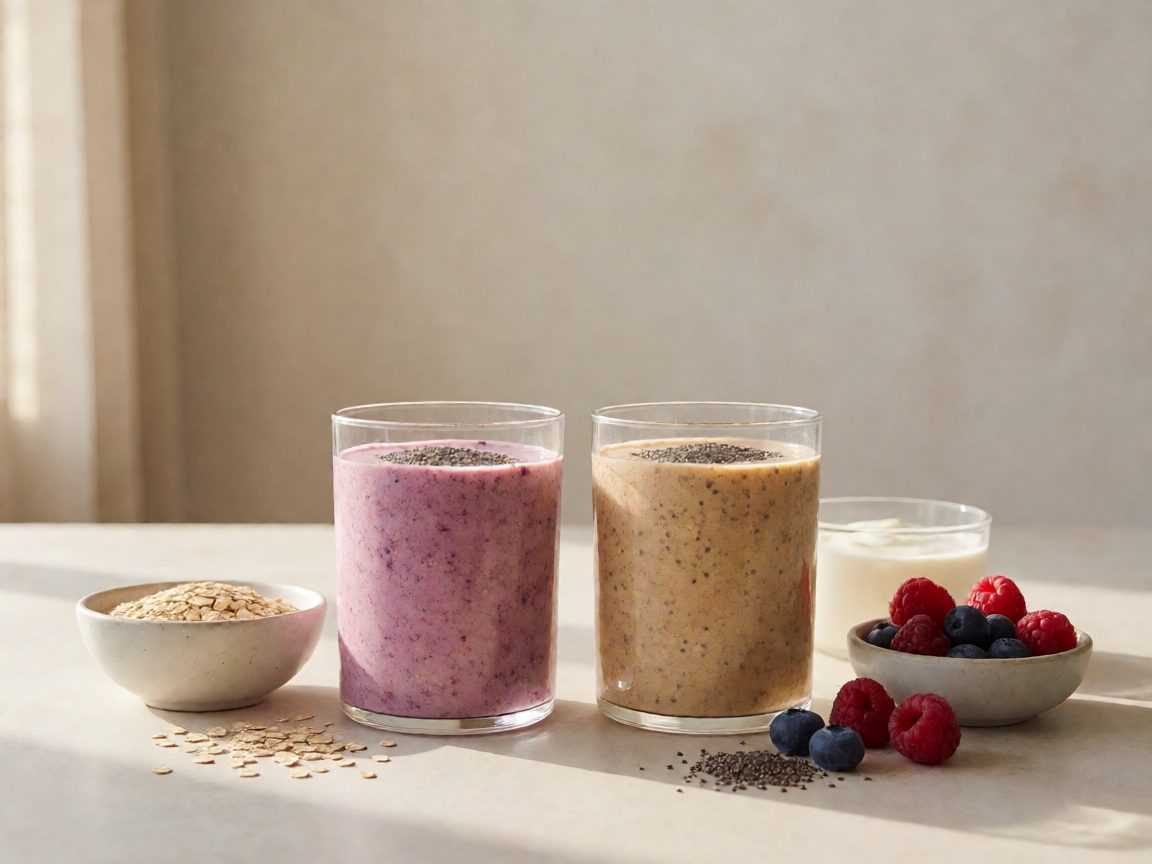
If you are looking for protein rich high fiber shakes for picky eaters, start with familiar flavors and change only one ingredient at a time. A dependable shake usually needs four parts: a protein-rich base, a mild fruit or flavor, a gentle fiber source, and enough liquid to make the texture comfortable. Greek yogurt, silken tofu, milk or a fortified soy drink can add protein; oats, chia, berries, pear, or a small amount of nut butter can add fiber and staying power. The goal is not to hide every vegetable or chase a perfect nutrition number. It is to create a repeatable option that tastes good, blends smoothly, and can be adjusted to the person drinking it.
This guide gives a flexible formula, twelve ingredient combinations, a small nutrition-planning table, and troubleshooting ideas for texture, sweetness, and temperature. Values are approximate because brands, serving sizes, and preparation methods vary. For more everyday meal ideas, browse the Protein and Fiber Foods hub.
What makes a shake work for a picky eater?
Picky eating is often about predictability rather than a lack of interest in nutritious food. A shake can feel easier when its color, thickness, temperature, and flavor are familiar. Before adding a new ingredient, decide which sensory feature matters most. Some people prefer a thin drink, while others like a spoonable smoothie. Some prefer vanilla or chocolate flavors and reject anything green. Others dislike seeds or visible flecks even when they enjoy the underlying flavor.
Use a “one change” rule: keep the favorite base and change just one component. If the usual drink is banana and vanilla yogurt, try banana and oats first. Later, test a teaspoon of chia, then a few berries. This creates useful information without turning breakfast into a negotiation. A shake is also optional; a person can meet protein and fiber needs through ordinary meals and snacks.
The four-part high-protein, high-fiber formula
- Protein anchor: Choose plain or flavored Greek yogurt, cottage cheese, silken tofu, milk, fortified soy beverage, or a protein powder that the person already tolerates. Start with the label serving rather than adding several concentrated products at once.
- Familiar flavor: Banana, strawberries, blueberries, cocoa, cinnamon, vanilla, or peanut butter can provide a recognizable direction. Frozen fruit makes a thicker drink without relying on ice.
- Fiber step: Add oats, chia, ground flax, berries, pear with skin removed if texture is an issue, or a small portion of avocado. Begin with a modest amount and increase gradually if digestion remains comfortable.
- Texture control: Use milk or water to thin, yogurt or frozen fruit to thicken, and a high-speed blend for a smoother finish. Blend the liquid and soft ingredients first, then add oats or seeds.
For a simple starting ratio, blend 3/4 cup of a protein-rich base, 1/2 to 1 cup of fruit, 1 tablespoon of a fiber ingredient, and 1/2 to 1 cup of liquid. Taste before adding sweetener. A very ripe banana, vanilla, cinnamon, or cocoa may provide enough sweetness without syrup.
12 shake combinations to test one at a time
1. Banana-oat vanilla
Blend milk or fortified soy beverage, Greek yogurt, half a banana, rolled oats, vanilla, and cinnamon. The oats soften the flavor and give the shake a creamy body. Use a small oat portion first if grainy texture is a concern.
2. Strawberry cheesecake
Combine Greek yogurt, strawberries, milk, a little oats, and vanilla. A spoonful of cottage cheese can make the blend richer, but blend thoroughly. Use frozen strawberries for a cold, thick texture.
3. Chocolate peanut butter
Blend milk, silken tofu or yogurt, cocoa, peanut butter, half a banana, and ground flax. Cocoa can be bitter, so add it in small amounts. Sunflower seed butter works when peanut butter is not suitable.
4. Blueberry muffin
Use Greek yogurt, blueberries, oats, cinnamon, vanilla, and milk. Blueberries can leave small skins; blending longer or using a smooth berry puree can help. A pinch of lemon zest changes the flavor without adding much sweetness.
5. Apple-pie oat shake
Blend unsweetened applesauce, yogurt, oats, cinnamon, vanilla, and milk. This option is useful when whole apple pieces are rejected. Add a few soft pear pieces later if a gradual texture challenge is welcome.
6. Peach and cream
Peaches, yogurt, milk, chia, and vanilla create a mild fruit profile. Frozen peaches work well, and the chia can be blended completely. Let the drink stand for a few minutes if a thicker pudding-like texture is preferred.
7. Raspberry cocoa
Blend raspberries, cocoa, milk, yogurt, and a small amount of nut or seed butter. Raspberries contain noticeable seeds, so use a strained puree when necessary. The cocoa gives the berry flavor a familiar chocolate direction.
8. Pear-cinnamon tofu shake
Silken tofu, ripe pear, cinnamon, vanilla, and milk make a mild, dairy-free option. Peel the pear for a smoother texture, then keep the peel for another meal so fiber is not lost from the overall eating pattern.
9. Mango-lassi style
Use plain yogurt, mango, milk, oats, and a small pinch of cardamom. Keep the recipe simple the first time. If tanginess is unwelcome, choose a ripe mango and reduce the yogurt slightly.
10. Cinnamon-roll shake
Blend milk, vanilla yogurt, oats, cinnamon, and a small amount of almond butter. A date can add sweetness, but it also changes the texture and sugar content, so test half of one first.
11. Berry-avocado cream
A small amount of avocado adds creaminess without a strong flavor. Blend it with berries, yogurt, milk, and vanilla. Keep the portion modest so the color and mouthfeel remain familiar.
12. Mocha breakfast shake
Mix milk, yogurt or tofu, cocoa, oats, banana, and decaffeinated coffee if appropriate for the person. Coffee is optional; the same recipe works with extra milk and cinnamon for a chocolate breakfast flavor.
Approximate planning table
The table below is a planning aid, not a laboratory analysis. Use the nutrition label on the products you actually buy.
| Combination | Protein anchor | Fiber additions | Texture note |
|---|---|---|---|
| Banana-oat vanilla | Greek yogurt and milk | Oats and banana | Thick and smooth |
| Strawberry cheesecake | Greek yogurt or cottage cheese | Strawberries and oats | Cold and creamy |
| Chocolate peanut butter | Tofu or yogurt | Banana and ground flax | Rich; thin with milk |
| Blueberry muffin | Greek yogurt | Blueberries and oats | May need extra blending |
| Pear-cinnamon tofu | Silken tofu | Pear and chia | Soft, mild, dairy-free |
How to improve texture without changing the flavor
If the shake is gritty, blend the liquid, yogurt, and fruit first. Then add oats or ground seeds and blend again. If visible flecks are the problem, use finely ground flax, a smooth nut butter, or a strained fruit puree. If the drink is too thick, add liquid one tablespoon at a time. If it is too thin, add yogurt or a few frozen fruit pieces instead of more powder.
Temperature matters too. A very cold shake can be uncomfortable for some people, while others reject a room-temperature drink. Let frozen fruit sit for a few minutes, or use chilled—not frozen—ingredients. Serve a small portion in a familiar cup. The option to stop after a few sips can reduce pressure and make future testing easier.
Fiber and sweetness troubleshooting
Large, sudden increases in fiber can cause gas, bloating, or changes in bowel habits for some people. Start with one fiber addition, use ordinary portions, and drink fluids throughout the day. If discomfort continues, pause the new ingredient and discuss persistent symptoms with a qualified clinician or dietitian. A shake should support eating, not replace professional advice.
For sweetness, use a ripe banana, berries, cinnamon, vanilla, or cocoa before reaching for syrup. When a packaged protein powder is used, compare the sugar, fiber, protein, and ingredient list rather than assuming that a “fitness” label makes it a better choice. For more label-reading ideas, see our high-protein, low-sugar smoothie guide.
A five-day low-pressure testing plan
- Day 1: Serve the familiar shake with the usual texture and portion.
- Day 2: Repeat it and change only the cup, straw, or temperature if needed.
- Day 3: Add one teaspoon of a new ingredient, such as oats or ground flax.
- Day 4: Keep the new ingredient and adjust thickness with liquid.
- Day 5: Decide whether to repeat, reduce, or replace that ingredient. Record the result without ranking the person’s response.
Keep a short note about flavor, texture, portion, and timing. This is more useful than a vague “liked it” or “did not like it.” You may discover that the same ingredients work when blended thinner, served warmer, or paired with toast. A shake is one tool in a larger food routine. Pair it with simple meals and use the Tools hub for practical tracking ideas.
When to get individual guidance
General shake ideas cannot account for food allergies, swallowing concerns, diabetes care, kidney disease, gastrointestinal conditions, or medication-related dietary instructions. Ask a qualified professional for individualized advice when those issues apply. Seek medical attention for severe or persistent symptoms rather than trying to solve them by changing a smoothie recipe. See our health and nutrition disclaimer for the boundaries of this article.
The best protein rich high fiber shakes for picky eaters are the ones that can be repeated comfortably. Begin with one familiar flavor, add fiber in small steps, use labels to estimate nutrition, and let preference guide the next adjustment. Consistency and flexibility are more useful than a complicated recipe that is made only once.