Try six practical high-protein, low-sugar desserts for vegans using tofu, soy yogurt, beans, seeds, berries, and simple portion planning.
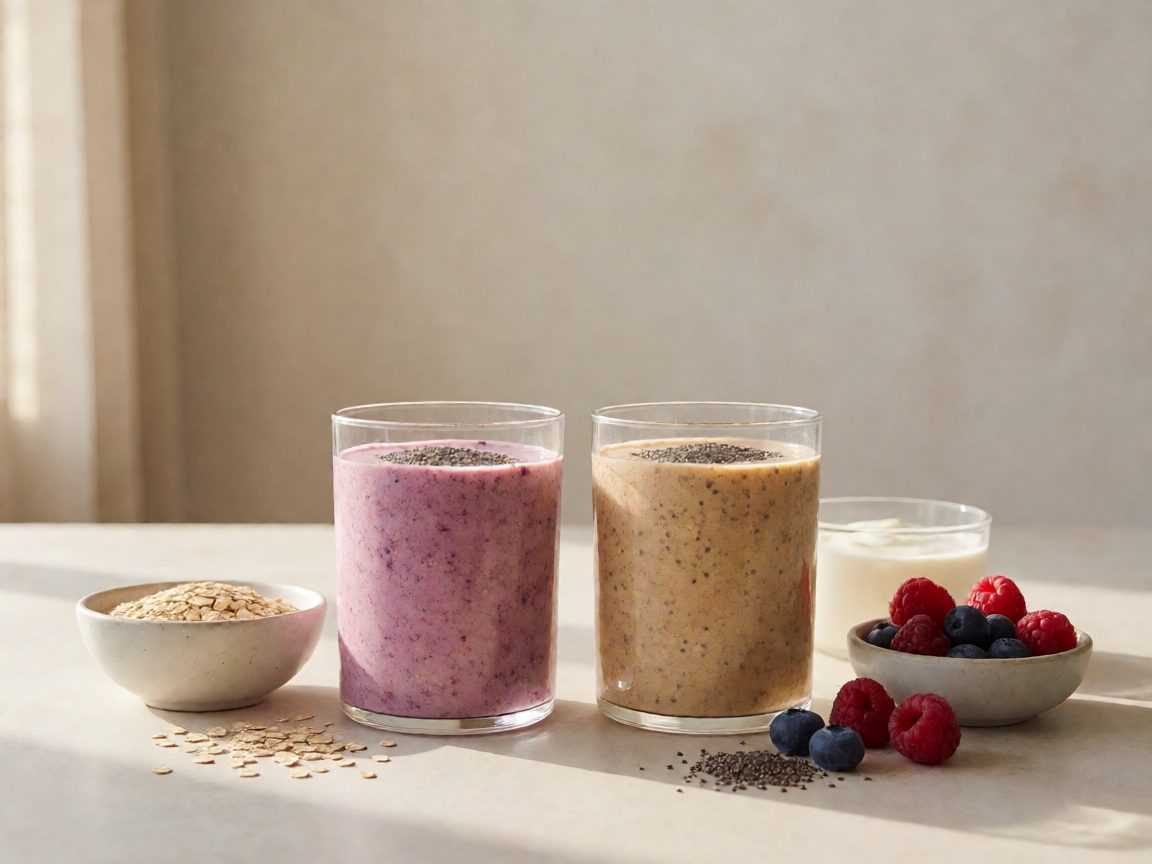
High-protein, low-sugar desserts for vegans can be simple, soft, and satisfying without relying on a large amount of added sugar. The most useful formula is to pair a plant protein base—such as silken tofu, unsweetened soy yogurt, beans, hemp hearts, or pea protein—with a fiber-rich ingredient such as chia seeds, berries, oats, pumpkin, or ground flax. The result is a dessert that feels like a treat while also contributing useful nutrients to the day.
This guide focuses on practical recipes rather than promises about weight loss or blood sugar control. Portions, brands, and nutrition values vary, so treat the numbers below as planning estimates and check product labels when accuracy matters. If you have diabetes, kidney disease, a food allergy, or another condition that affects your diet, use these ideas as a starting point and ask a qualified clinician or dietitian how to adapt them.
What makes a vegan dessert higher in protein and lower in sugar?
A dessert does not need to be sugar-free to be a smart choice. Instead, look for three building blocks:
- A protein anchor: unsweetened soy yogurt, silken tofu, fortified soy milk, hemp hearts, pumpkin seeds, nut butter, or a plain vegan protein powder.
- A fiber contributor: chia, ground flax, oats, berries, pears, pumpkin, beans, or a small amount of dried fruit used for flavor rather than bulk.
- A flavor strategy: cocoa, cinnamon, vanilla, citrus zest, coffee, toasted nuts, or a small amount of maple syrup. Strong flavors help you use less sweetener.
For context, MyPlate lists beans, peas, nuts, seeds, and soy foods among useful protein choices, while the National Institute on Aging notes that plant protein can also provide fiber and other nutrients. That makes a soy- or seed-based dessert a practical way to combine the two goals instead of treating protein and fiber as separate projects.
Six high-protein, low-sugar dessert ideas for vegans
1. Cocoa chia tofu cups
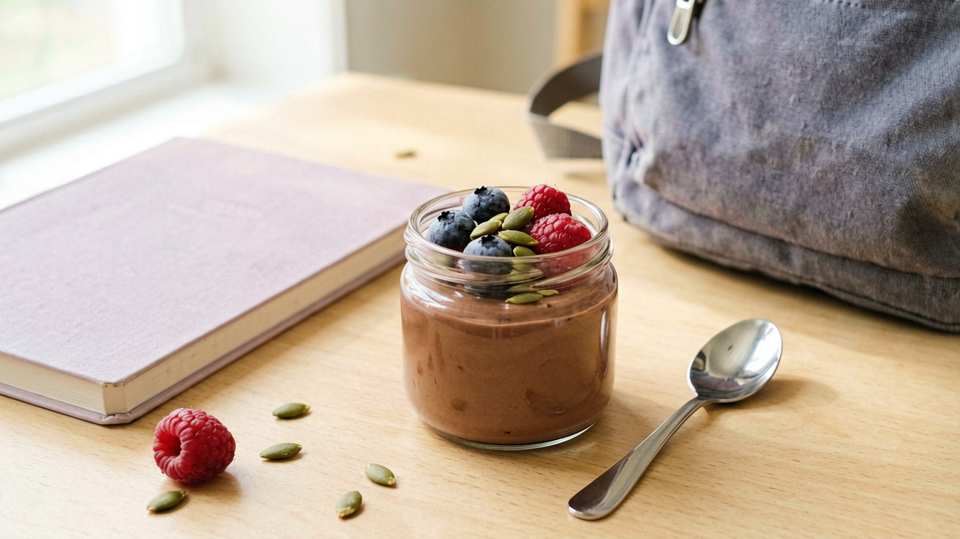
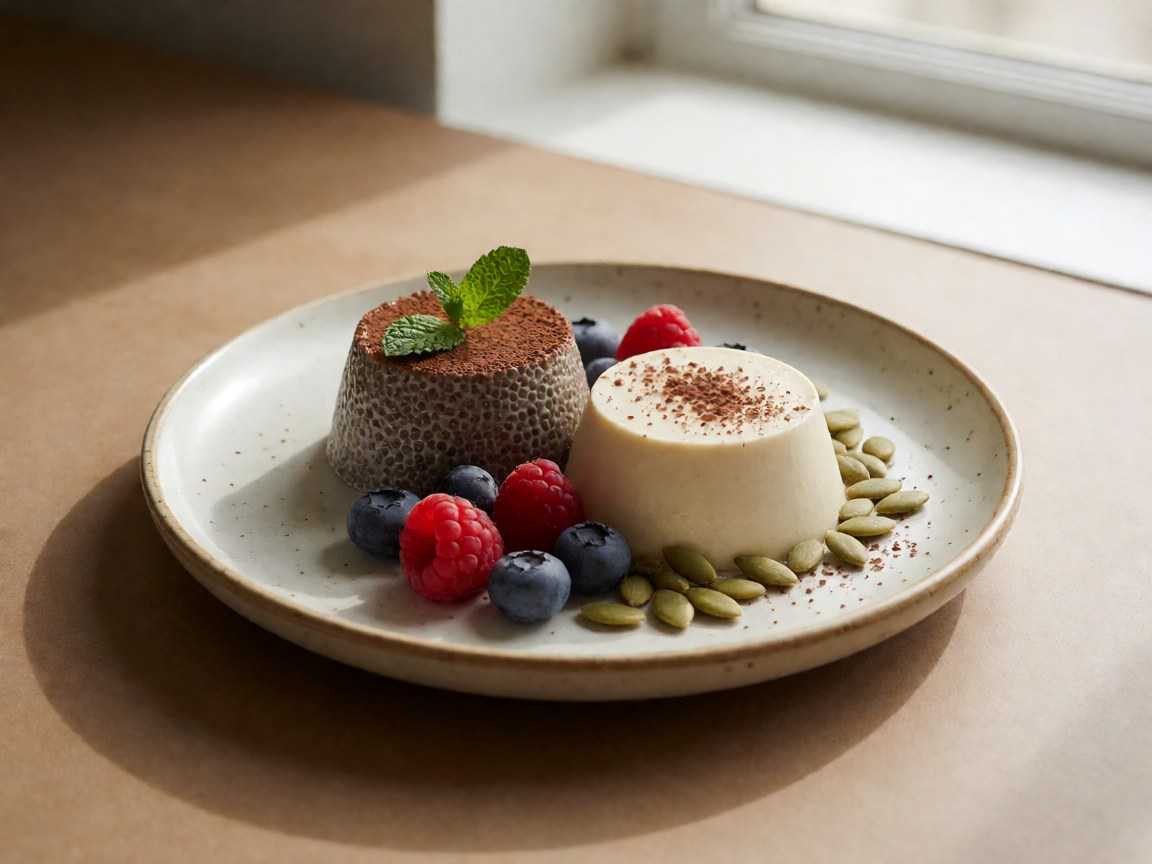
Blend silken tofu with unsweetened cocoa, vanilla, a pinch of salt, and a small amount of maple syrup or a non-sugar sweetener if desired. Stir in chia seeds, then chill for at least two hours. Top with raspberries or sliced strawberries. The tofu gives the pudding a smooth texture and a meaningful protein base, while chia adds thickness and fiber.
Practical serving: about one-half to three-quarters cup. For an estimated 12 to 16 grams of protein, choose a tofu brand with a higher protein label and avoid adding a sweetened plant milk.
2. Berry soy-yogurt crunch
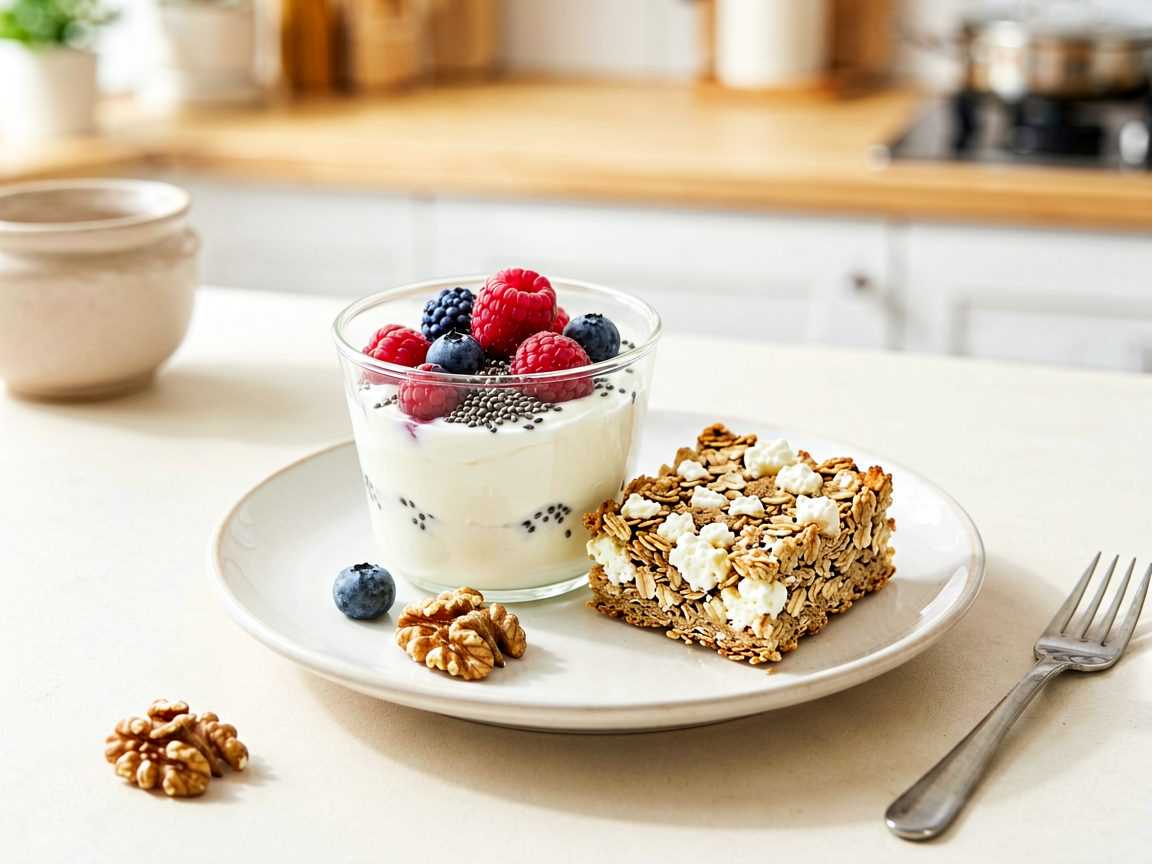
Layer plain, unsweetened soy yogurt with frozen berries that have been thawed, crushed pumpkin seeds, and a tablespoon of high-fiber oat bran. Add lemon zest or cinnamon instead of a sweet granola. Soy yogurt varies widely, so compare the Nutrition Facts labels and choose one with no added sugar and several grams of protein per serving.
This works well as an afternoon dessert because the berries provide acidity and color, while seeds add texture. If the mixture tastes too tart, use a few drops of vanilla or a small portion of mashed ripe banana rather than pouring in syrup.
3. White-bean lemon mousse
Rinse and drain cannellini beans thoroughly. Blend them with lemon zest, lemon juice, vanilla, a spoonful of almond butter, and a small amount of maple syrup. The beans disappear into the creamy mixture when blended long enough. Chill it, then serve with blueberries and crushed pistachios.
The flavor is brighter than a chocolate pudding, and the bean base adds fiber. Start with a small portion if you are not used to legumes at dessert, because increasing fiber quickly can cause digestive discomfort for some people.
4. Pumpkin hemp protein pudding
Whisk plain pumpkin puree with unsweetened soy milk, hemp hearts, cinnamon, ginger, and a vegan protein powder that fits your preferences. Refrigerate it until thick. Pumpkin contributes color and a mild sweetness; hemp hearts make the texture richer without needing heavy coconut cream.
Check the protein powder label for added sugar and sugar alcohols. If a product causes bloating, try a smaller amount or use more tofu and hemp hearts instead. The goal is a repeatable dessert, not the highest possible protein number.
5. Baked apple oat cups
Mix diced apple with rolled oats, ground flax, cinnamon, chopped walnuts, and unsweetened soy milk. Spoon the mixture into a muffin tin and bake until the oats are set. Serve warm with a spoonful of plain soy yogurt. The yogurt is important: without it, the oat cup is mostly a fruit-and-grain snack rather than a higher-protein dessert.
Use one small apple per two servings if you want to keep the natural sugar load modest. Leave the peel on after washing when the texture is comfortable, because much of the fruit's fiber is near the skin.
6. Frozen banana-tofu bites
Blend a small banana with silken tofu, cocoa, and peanut butter. Spoon the mixture into silicone molds and freeze. Two small bites can be enough to satisfy a dessert craving. Because banana contributes sweetness, there is usually no need for syrup. For more crunch, add a few chopped peanuts after blending.
These bites are useful for portioning: freeze them individually and take out one or two at a time. Let them soften for a few minutes before eating so the texture is creamy rather than icy.
Illustrative comparison table
The following estimates are intentionally broad. They assume unsweetened products and modest portions, but the actual result depends on the recipe and brand.
| Idea | Best protein anchor | Fiber contributors | Estimated protein per serving | Added-sugar strategy |
|---|---|---|---|---|
| Cocoa chia tofu cups | Silken tofu | Chia, berries | 12–16 g | Cocoa and vanilla; optional small sweetener |
| Berry soy-yogurt crunch | Plain soy yogurt | Berries, oat bran, seeds | 10–15 g | Use tart fruit and citrus zest |
| White-bean lemon mousse | Cannellini beans, nut butter | Beans, berries | 7–10 g | Use lemon to reduce the need for syrup |
| Pumpkin hemp pudding | Protein powder, soy milk | Pumpkin, hemp hearts | 15–22 g | Use pumpkin spice and vanilla |
| Baked apple oat cups | Soy yogurt on top | Oats, flax, apple | 8–12 g | Let apple provide most sweetness |
| Frozen banana-tofu bites | Tofu, peanut butter | Banana, peanuts | 8–12 g | Rely on a small banana |
How to keep the sugar lower without making dessert boring
Start with the base. Sweetened plant milks and flavored yogurts can add more sugar before you add fruit or syrup. Plain soy milk and unsweetened soy yogurt give you more control. Next, choose one main sweet element. If you use banana, skip maple syrup. If you use berries and a date, skip a sweetened protein powder.
Acid and spice are useful tools. Lemon juice, orange zest, cinnamon, ginger, espresso powder, and a small pinch of salt make a dessert taste more complete. Texture matters too: toasted seeds, crushed nuts, or a few cacao nibs can create satisfaction without needing extra sugar.
Finally, decide whether you want dessert to be a snack or part of a meal. A pudding with 15 grams of protein may be a useful snack after a busy day, while a smaller two-bite portion may fit better after dinner. There is no need to force the same portion for everyone.
A simple vegan dessert prep plan
- Choose one chilled recipe, such as tofu cups or soy-yogurt crunch.
- Choose one baked recipe, such as apple oat cups.
- Wash berries, portion seeds, and place toppings in small containers.
- Write the serving size on the container so the portion stays visible.
- Keep one plain protein base available for adjustments when a recipe tastes too sweet or too thin.
For more meal ideas, browse the high-protein and high-fiber foods hub. You can also compare the earlier low-sugar smoothie ideas and high-protein pudding format. A simple meal-planning tool can help you rotate desserts without turning them into an all-or-nothing decision.
Frequently asked questions
Are vegan desserts automatically high in fiber?
No. A vegan cookie made mostly from refined flour and sugar may contain little fiber. Look for a plant protein anchor plus whole-food ingredients such as beans, oats, seeds, fruit, or pumpkin.
Can I use coconut yogurt?
You can, but many coconut yogurts are low in protein. If protein is a priority, use plain soy yogurt or add tofu, hemp hearts, or another protein source.
How much protein should a dessert contain?
There is no universal dessert target. A practical range is whatever helps the serving fit your overall eating pattern without making the recipe unpleasant or expensive. If you have a medical condition that changes protein needs, ask your clinician for individualized guidance.
What if more fiber causes discomfort?
Reduce the portion, increase fiber gradually, and drink fluids according to your normal needs. Persistent or severe digestive symptoms deserve medical advice rather than more recipe experiments.
Bottom line: The best high-protein, low-sugar desserts for vegans are repeatable combinations of tofu or soy foods, seeds, fruit, and strong flavors. Start with one chilled recipe, measure the serving, and adjust sweetness only after tasting.
General nutrition information only. This article is not medical advice. See our editorial policy and health disclaimer.