A practical smoothie formula for busy professionals using protein, fiber, flavor, and label checks without relying on miracle claims.
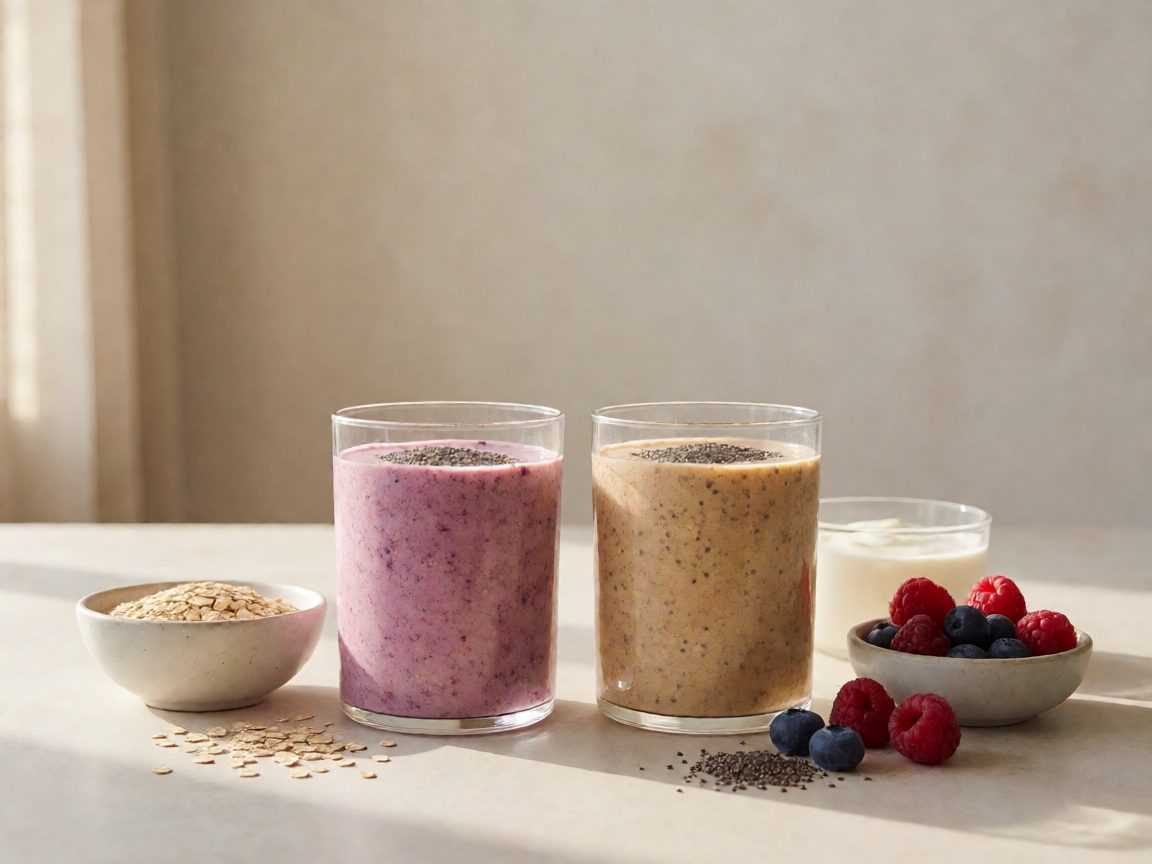
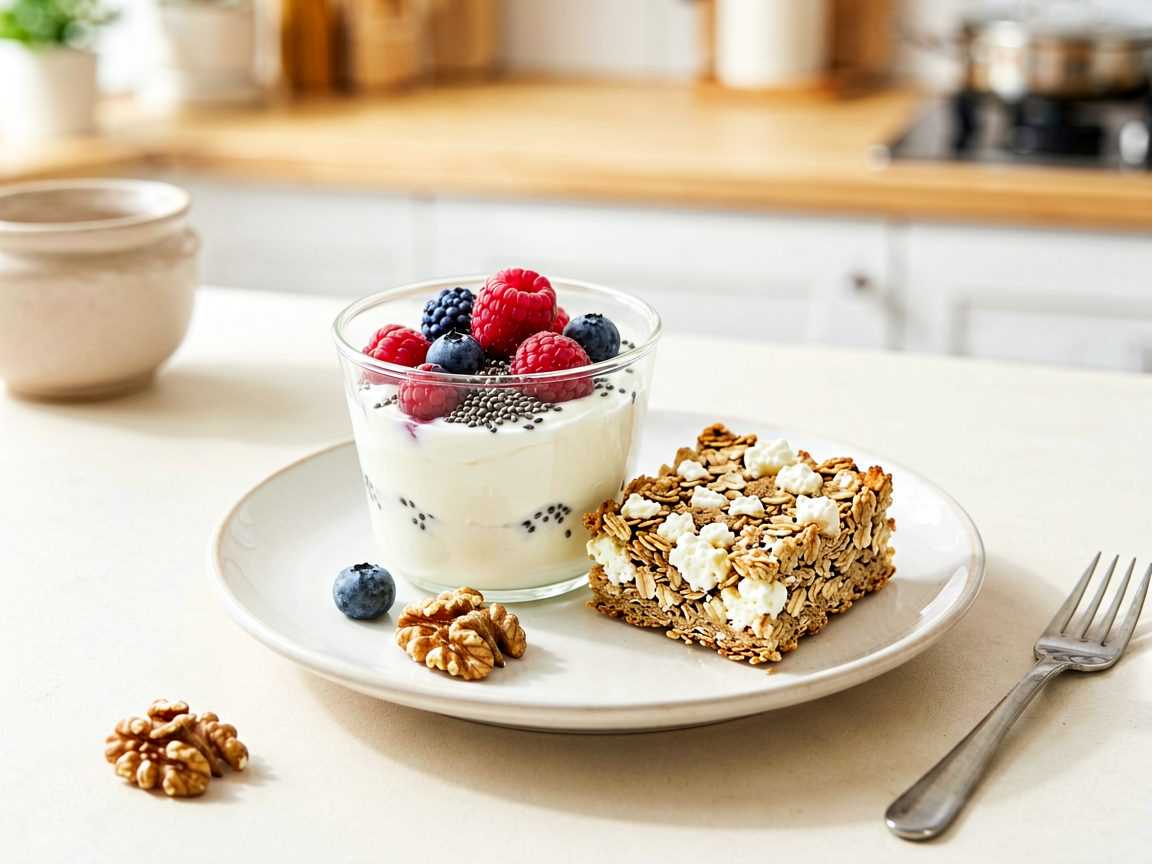
High protein low sugar smoothies for busy professionals are easiest to repeat when the recipe uses a short formula: a protein base, a modest portion of fruit, a fiber-rich add-in, and enough liquid to blend. Greek yogurt, cottage cheese, fortified soy milk, or an unsweetened protein ingredient can provide the anchor; berries, spinach, chia, oats, or nut butter can add flavor and texture. Keep sweetened syrups and juice optional because they can quickly change the sugar and calorie profile. The recipe below is a template, not a prescription. Check the nutrition label on every product and adjust ingredients for allergies, digestion, and personal needs.
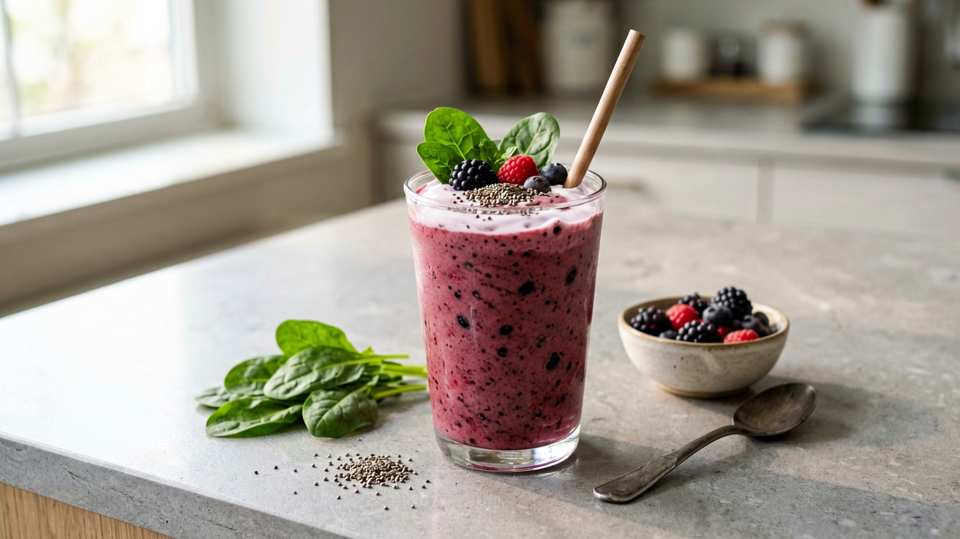
One-minute formula
| Part | Starting amount | Swap |
|---|---|---|
| Protein base | Plain Greek yogurt or fortified soy milk | Silken tofu or cottage cheese |
| Fruit | Frozen berries | Half a banana or a small pear |
| Fiber | Chia, ground flax, oats, or spinach | Beans only if the texture works for you |
| Liquid | Water, milk, or unsweetened soy milk | Add gradually for thickness |
Make it work on a workday
- Pre-portion frozen fruit and dry add-ins into jars.
- Blend with the protein base in the morning; keep chilled if not drinking immediately.
- Use a straw or spoon only if it makes the texture easier—not as a rule.
- Pair with a meal or snack when a smoothie alone does not keep you satisfied.
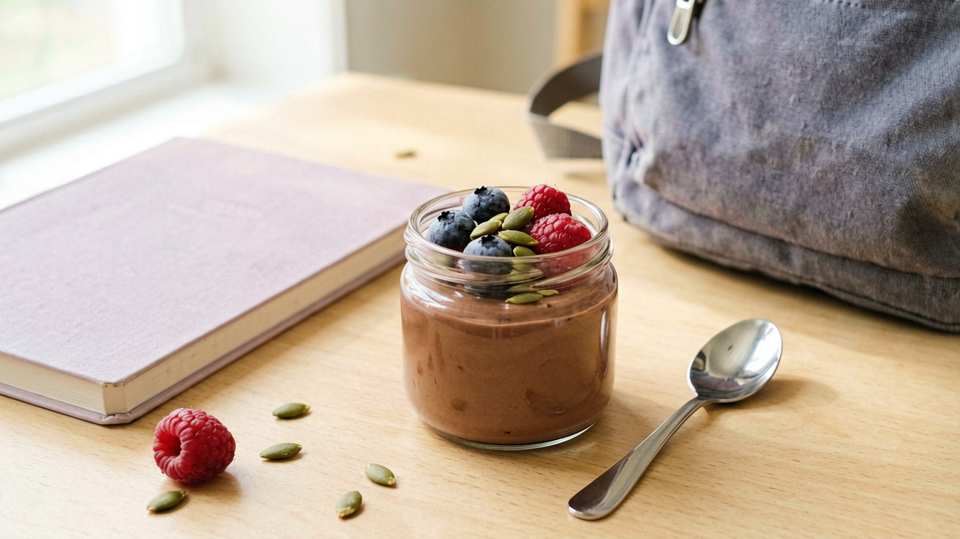
For a thicker dessert-style option, use less liquid and add cocoa or cinnamon instead of extra sweetener. The best smoothie is the one you can prepare safely, enjoy, and fit into the rest of your day.
Explore the Protein & Fiber Lab hub, then use the protein, fiber, and meal-planning tools to turn this idea into a repeatable routine. You may also find weight-maintenance planning useful.
Related reading: high protein low calorie pudding for college students and high protein low sugar desserts for vegans.
References and boundaries: For general meal-planning context, see the National Institute on Aging meal-planning guidance. For medicine-specific questions, use FDA medicine information and speak with your clinician or pharmacist.